Climate-Relevant Decision-Making

Climate-Relevant Decision-Making

CARE defines formal climate-relevant decision-making spaces or processes as officially recognized forums or mechanisms for engagement, convened and led by public authorities (including traditional authorities). In these spaces, those responsible for setting the agenda, facilitating discussions, and making decisions also hold the authority to implement formal outcomes. 

Informal climate-relevant decision-making spaces or processes, on the other hand, are not officially recognized and typically carry less power. These are often convened and led by community members, civil society organizations, or the private sector, and do not have formal authority to make binding decisions. 

Examples of active participation in formal climate-relevant decision-making spaces:    

  • Women are participating in community, multi-annual planning and budgeting meetings and pushing for inclusion of activities to prepare for disaster and enhance land-use planning. 
  • Representatives of marginalized groups are participating in a consultation meeting for NAP (National Adaptation Plan) and have an official time slot for presenting their messages on the agenda. 
  • Women being part of the natural resource committee, which discusses how to prevent erosion and restore rangelands. Each participant has time to express their opinion during the meeting. 

Examples of active participation in informal climate-relevant decision-making spaces:    

  • Youth taking part in the community-based adaptation process, participating in decision-making about adaptation options that will affect their future livelihoods. 
  • Pastoralists are a part of the clan meeting that decides on the usage of scarce water resources between clans during the dry season, and they can voice their water needs to the group. 
  • Women being part of a VSLA group/s, making decisions on investments that are increasing resilience to climate change (like investments in irrigation, income diversification, etc.). 
Sri Lanka

Country Description

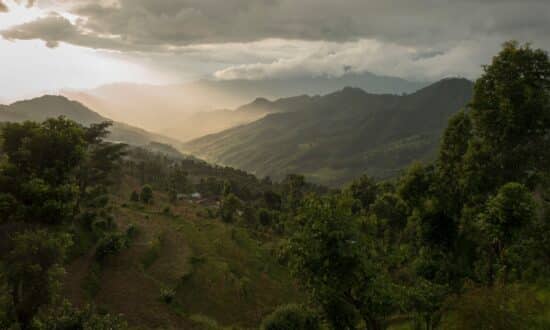
Sri Lanka is a small island nation in the Indian Ocean, with a warm and humid climate.  The country experiences four distinct climate seasons: two monsoons, the southwest monsoon (Yala) from May to October and the northeast monsoon (Maha) from December to March, as well as two inter-monsoon periods. The southwest monsoon brings heavy rainfall to the western, southern, and central highlands, while the northeast monsoon affects the northern and eastern regions (Climate Change Knowledge Portal). Average annual temperatures range between 28°C and 30°C in coastal areas and can drop to around 15°C in the central highlands. However, climate change is contributing to rising temperatures, with projections indicating an increase of up to 3.5°C by 2100 under high-emission scenarios (World Bank Group). 

Sri Lanka is also highly vulnerable to extreme weather events such as floods, droughts, landslides, and cyclones, which have intensified in recent decades. The country experiences significant spatial and temporal variations in both droughts and floods. Climate change is expected to worsen these challenges by increasing rainfall variability and extreme temperatures, leading to additional risks such as salinity intrusion, coastal erosion, and sea level rise. The growing frequency and intensity of climate-related disasters pose a significant threat to the country’s socioeconomic development (Asian Development Bank).  

In response, Sri Lanka has developed a range of adaptation and mitigation strategies, including commitments under its NDC (2021)to the Paris Agreement. These initiatives focus on strengthening disaster resilience, promoting sustainable agriculture, improving water resource management, and expanding renewable energy sources. 

Climate Justice projects
5
Active Climate Justice projects
4
Closed Climate Justice projects
1
People directly reached via Climate Justice project in FY24
950
Senegal

Country Description

Senegal is highly vulnerable to the impacts of climate change, including droughts, locust invasions, flooding and related health outbreaks, sea level rise, coastal erosion, and bushfires (World Bank Climate Change Knowledge Portal).  The country faces recurring environmental shocks, with both droughts and floods intensifying in recent years. Climate change is expected to further increase the frequency and severity of extreme weather events and natural hazards.  

These impacts disproportionately affect vulnerable populations. In 2021, 50.8 percent of the population (then 8.6 million people) was considered multidimensionally poor, while an additional 18.2 percent (about 3.1 million people) was classified as vulnerable to multidimensional poverty (2023 Multidimensional Poverty index, UNDP).  Climate-related impacts, including declining agricultural productivity, rising food prices, coastal flooding and erosion, and associated health risks, particularly affect poorer households. Female-headed households are especially vulnerable economically, even under moderate levels of climate change (World Bank Group Systematic Country Diagnostic of Senegal).  

Climate Justice projects
1
Closed Climate Justice projects
1
People directly reached via Climate Justice project in FY24
170
Canary Islands (Gran Canaria)

Country Description

The Canary Islands are an archipelago off the coast of southern Morocco in the Atlantic Ocean. One of Spain’s autonomous communities, the seven islands lie in the transition zone between tropical and temperate regions (Climate Change Adaptation Strategy). They generally have a subtropical climate, although there is variation among the islands. The archipelago’s main natural hazards are volcanism, riverine and coastal flooding, landslides, and wildfires particularly during the summer months (Ferrer and Herrera, 2024). Populations are highly concentrated in urban areas across the islands (but mainly Gran Canaria, Lanzarote, and Tenerife), which, along with limited resources and isolation, make communities more vulnerable to disasters (ibid.).  

In terms of climate threats, rising temperatures are expected to increase both the duration and severity of droughts by the end of the twenty-first century, particularly in higher-elevation areas. (Carrillo et al., 2023). Heatwaves and Saharan dust events are also expected to increase as the climate warms, posing a threat to human health and to the islands’ flora and fauna (Hernandez et al., 2018). 

The islands are making climate adaptation plans, such as the one adopted by Gran Canaria, which promotes projects reducing greenhouse gas (GHG) emissions and protecting biodiversity and coastlines. 

Climate Justice projects
2
Active Climate Justice projects
1
Closed Climate Justice projects
1
Colombia

Country Description

Colombia, located in the northwest of South America, is a geographically varied country, with the Andes Mountains running through it and lowland plains in the east. Its coastline runs along the Pacific Ocean and the Caribbean Sea, with the Amazon tropical rainforests to the southeast. The population is largely concentrated in the Andean highlands and the Caribbean coast, with less than 10 percent living in the eastern Llanos and tropical forests. Colombia is highly vulnerable to extreme weather, especially flooding caused by “La Niña”, a climate pattern characterized by unusually cold ocean temperatures in the equatorial Pacific Ocean.  The Caribbean and Andean regions are particularly susceptible, with sectors such as housing, transportation, energy, agriculture, and health at significant risk from these climate impacts (World Bank Climate Change Knowledge Portal). Due to its varied elevations, Colombia experiences significant regional differences in temperature and precipitation. The coastal and eastern lowland areas have a tropical climate, while the highlands and Andes are cooler (UNEP GRID-Geneva). 

 Colombia is among the countries most vulnerable to climate change (World Risk Index 2024). Mismanagement of forests, land, and natural resources, along with poor land-use planning in sectors such as oil, mining, and agriculture, exacerbates deforestation and land degradation. Its geographic location exposes it to natural hazards, and climate-related disasters accounted for nearly 90 percent of the emergencies reported between 1998 and 2011, resulting in substantial economic losses. Improving disaster risk management in urban, coastal, and agricultural areas is key to increasing the country’s resilience to the rise in the frequency and economic cost of natural disasters. 

Climate Justice projects
4
Closed Climate Justice projects
4
People directly reached via Climate Justice project in FY24
15,732
Barbados

Country Description

Barbados, a small island nation within the Caribbean region, is highly vulnerable to the impacts of climate change. The country is exposed to hurricanes and natural hazards and is particularly susceptible to costal inundation and sea level rise, increasing tidal and storm surge levels, coastal erosion, rising temperatures, changes in rainfall patterns, cyclones, and droughts, among others. (World Bank Climate Change Knowledge Portal).  

Barbados has also been noted as a country at the forefront of reforming the world of development finance, particularly in how rich countries help poor countries cope with and adapt to climate change, through movements like the Bridgetown Initiative. (World Economic Forum) 

Climate Justice projects
1
Closed Climate Justice projects
1
People directly reached via Climate Justice project in FY24
213
Côte d’Ivoire

Country Description

The Ivory Coast is a country in West Africa along the Atlantic Ocean. It is characterized by largely flat plains, with higher mountains in the west. The southern coast has a tropical climate, whilst the north is predominantly savannah. Ivory Coast has among the highest levels of biodiversity globally, but also one of the highest rates of deforestation (PIK, n.d.). Its location, economic structure, and limited adaptive capacity make it one of the most vulnerable countries in the world to climate change (137/187 on the 2025 ND-GAIN Index).

Compared to pre-industrial levels, average temperatures are projected to increase between 1.7°C-3.7°C by 2080 (PIK, n.d.). While precipitation projections remain uncertain, both dry and wet periods are expected to become more extreme (ibid.). Sea level rise poses a significant threat to coastal communities, where much of the population live, as well as water quality and availability due to saline intrusion (ibid.). Coastal fisheries are projected to decline 26 percent by 2050 due to rising temperatures, while changes in rainfall patterns are expected to worsen water availability, soil quality, and, importantly, cocoa yields (GRID Geneva, n.d.). Agriculture, largely subsistence-based and rain-fed, forms the backbone of the economy and is highly vulnerable to rising temperatures and water insecurity. Low adaptive capacity within the agricultural sector further increases its exposure to climate risks  (World Bank Group, 2023).

According to GRID Geneva (n.d.), the Ivory Coast demonstrates strong political will   for climate action, though further efforts are needed to operationalize policies. The country faces challenges related to technical capacity,  coordination, and the mainstreaming of climate policies. Ivory Coast’s REDD+ strategy aims to reduce deforestation, and collaboration with the Cocoa and Forests Initiative seeks to lessen the pressure of cocoa production on the forest ecosystem.  

Climate Justice projects
8
Active Climate Justice projects
4
Closed Climate Justice projects
4
People directly reached via Climate Justice project in FY24
82,104
People impacted via CJ project since 2021
11,892
Cambodia

Country Description

Climate Justice projects
4
Active Climate Justice projects
1
Closed Climate Justice projects
3
People directly reached via Climate Justice project in FY24
506
Zambia

Country Description

Zambia is a large, landlocked country in south-central Africa. The country has a predominantly subtropical climate with one rainy season and two dry seasons, although rainfall varies significantly across regions. Zambia’s economy relies heavily on the exploitation of natural resources. Its climate is highly variable, and droughts, floods, and extreme temperatures have become increasingly frequent and intense in recent decades. 

Average annual temperatures in Zambia are projected to increase by between 1.2°C and 3.4°C by 2060 compared with pre-industrial levels, depending on the emission scenario (GRID Geneva, n.d.).  Since 2000, the country has experienced almost annual drought or flood events. Rainfall declined between 1971 and 2005 compared with the period 1940–1970, with the southwestern region most severely affected (ibid.). Water availability is projected to decrease by about 13 percent by 2100, which could have serious consequences for hydropower generation, agriculture, industrial production, and household water supply (NDC, 2020). Zambia already faces a high incidence rate of malaria, which is expected to increase as climate change alters temperature and rainfall patterns (GRID Geneva, n.d.).  In urban areas, waste management is also a growing concern, as illegal dumping and open burning contribute to environmental degradation and increase the risk of public health outbreaks (Sambo et al., 2020). 

Zambia’s NDCs, outlines its mitigation actions focused on sustainable forest management, climate-smart agriculture, renewable energy development, and energy efficiency (NDC, 2020).  Adaptation measures include expanding irrigation systems, strengthening early warning systems, and using GIS and remote sensing technologies to map drought- and flood-prone areas (UNDP, n.d.). 

Climate Justice projects
6
Active Climate Justice projects
5
Closed Climate Justice projects
1
People directly reached via Climate Justice project in FY24
71,961
South Sudan

Country Description

South Sudan, officially known as the Republic of South Sudan, is a landlocked country in northeastern Africa. About 81.8 percent of the population (approximately 13.1 million people in 2025) live in rural areas and primarily depend on subsistence agriculture for their livelihoods. South Sudan has a tropical climate characterized by a rainy season followed by a dry season. Rainfall occurs mainly during a single rainy season from March to November, peaking between May and September. While the southern and eastern regions receive higher rainfall, the country experiences significant climate variability. As a result, droughts and floods frequently disrupt livelihoods, particularly in the agricultural sector (Climate Change Knowledge Portal).  

 South Sudan is highly vulnerable to climate risks, including rising temperatures, erratic rainfall, prolonged droughts, and severe flooding. Since the 1970s, average temperatures have increased by about 1–1.5°C and are projected to continue rising by 2060 (African Development Bank).  These climate pressures, combined with widespread displacement linked to ongoing conflict, have intensified food insecurity and increased the risk of localized conflicts. 

In response to these challenges, South Sudan has identified priority actions and investment areas for climate change mitigation and adaptation (USAID South Sudan Climate Vulnerability Profile). These priorities focus on reducing greenhouse gas emissions through policies in sectors such as energy, land use, and transport. The country estimates that at least 50 billion USD will be required for mitigation and adaptation efforts by 2030, although further analysis is needed to refine these estimates and support requirements.  

Climate Justice projects
4
Active Climate Justice projects
2
Closed Climate Justice projects
2
People directly reached via Climate Justice project in FY24
3,348
Vietnam

Country Description

Vietnam, officially the Socialist Republic of Vietnam, is a country at the eastern edge of mainland Southeast Asia. It has both tropical and temperate climate zones, and the entire country is influenced by annual monsoon patterns (Climate Risk Country Profile).  Climate change impacts, including rising temperatures, changing rainfall patterns affecting agriculture, and increasingly intense extreme weather events, pose significant challenges to Vietnam’s economic and social development, particularly for vulnerable populations in coastal and rural areas. In recent years, water flows in major river basins have fallen below long-term averages. Prolonged heat and droughts are increasing the risk of soil degradation and reducing soil quality, while higher temperatures also heighten the risk of forest fires. 

Between 2011 and 2020, extreme climate events caused severe economic losses in Vietnam, with total damages estimated at VND 229,958 billion (approximately USD 10 billion at 2022 exchange rates). On average, the country experiences severe direct damage to public and private property each year due to extreme weather events, equivalent to about 0.8 percent of GDP. (Climate Change Knowledge Portal) 

 Given these conditions, Vietnam faces potentially significant social and economic impacts across multiple regions and sectors. Without effective adaptation and disaster risk reduction measures, multidimensional poverty and inequality are likely to increase (Climate Risk Country Profile).

Climate Justice projects
18
Active Climate Justice projects
8
Closed Climate Justice projects
10
People directly reached via Climate Justice project in FY24
41,107
People impacted via CJ project since 2021
15,894
Vanuatu

Country Description

Vanuatu is an island nation in the Melanesian region of Oceania, consisting of more than 80 islands. Like many Pacific island states, Vanuatu faces significant climate change impacts, including rising temperatures, sea level rise, and increased storm surges. According to the Department of Climate Change of the Government of Vanuatu, temperatures are projected to increase by up to 1°C by 2030. Extreme rainfall events are expected to become more frequent and intense, increasing the damage caused by cyclones, storm surges, landslides, flooding, and droughts. Although tropical cyclones may become less frequent, they are projected to increase in intensity (Department of Climate Change, Government of Vanuatu). 

Between 1993 and 2022, the Climate Risk Index ranked Vanuatu as the ninth most affected country by climate change. Existing social and economic vulnerabilities intersect with climate risks, with women often facing heightened exposure during and after disasters. For example, Tropical Cyclone Harold in 2020 led to widespread job losses among women working in the tourism and agricultural sectors in countries such as Vanuatu, the Solomon Islands, and Fiji (UNESCAP Pathways to Adaptation and Resilience in Pacific SIDS).  Vanuatu’s high ranking in the Climate Risk Index reflects the significant economic losses, number of people affected, and fatalities associated with climate-related disasters. (Climate Risk Index)  As an island nation frequently exposed to cyclones, Vanuatu continues to face increasing risks from extreme weather events that are expected to intensify under climate change. 

Climate Justice projects
2
Closed Climate Justice projects
2
People directly reached via Climate Justice project in FY24
1,266
Thailand

Country Description

The Kingdom of Thailand is located in Southeast Asia and has coastlines along the Gulf of Thailand to the east and the Andaman Sea to the west. The northern and western regions are largely hilly and mountainous, while the central part of the country consists of a low-lying plain, with valleys and small hills in the east. Thailand’s climate is predominantly tropical and influenced by seasonal monsoon winds, with some regional variation. The country identifies itself as highly vulnerable to the impacts of climate change, including sea level rise, extreme weather events, flooding, rising temperatures, and increased precipitation extremes (Kingdom of Thailand, 2022). 

Average annual temperatures in Thailand are projected to rise toward the end of the century across all emission scenarios examined by the World Bank Group (2021).  Rainfall projections remain uncertain, although the number of days each year with temperatures reaching levels dangerous to human health is expected to increase by the 2080s (ibid.). The frequency of floods, droughts, and other natural disasters is also expected to rise (GRID Geneva, n.d.). Flooding already represents the country’s most significant natural hazard, causing damage to farmland and infrastructure and resulting in loss of life and livelihoods (ibid.). Sea level rise poses a serious threat to coastal areas through inundation, erosion, land loss, and saltwater intrusion. While detailed studies remain limited, a substantial share of Thailand’s critical infrastructure is located along its coastlines (World Bank Group, 2021).  

In its Fourth Biennial Update Report to the UNFCCC (Kingdom of Thailand, 2022),  Thailand notes that adaptation and mitigation efforts are constrained by limited financial resources, technical expertise, technological capacity, and institutional capacity. The country’s adaptation priorities include improving water security, reducing losses and damage from water-related disasters, and strengthening health systems to respond to climate-related health risks, among other measures.  

Climate Justice projects
2
Active Climate Justice projects
1
Closed Climate Justice projects
1
People directly reached via Climate Justice project in FY24
13,734
Solomon Islands

Country Description

The Solomon Islands is an archipelago in the Melanesian region of the Pacific Ocean, southeast of Papua New Guinea, consisting of more than 900 islands spread across a vast maritime area. The country’s topography is diverse, including volcanic islands, atolls, mountains, and saltwater lagoons. The Solomon Islands has a tropical climate characterized by high temperatures, humidity, and significant rainfall throughout the year, with a distinct wet season from November to April that often brings cyclones and extreme weather events. The country is highly vulnerable to climate change due to its coastal geography and strong reliance on natural resources (World Bank Group).  Average temperatures are projected to increase between 0.7°C and 2.8°C by the end of the 21st century. In addition, sea level rise threatens to submerge low-lying islands at rates faster than the global average. Extreme rainfall and the increasing frequency of natural disasters place communities at high risk, particularly those dependent on subsistence agriculture and fisheries (Climate Knowledge Portal Country Profile).  

In response to the challenges, the Solomon Islands has introduced several policy initiatives, including the Solomon Islands National Climate Change Policy (NCCP) 2023-2032 and Long-Term Low Emission Development Strategy (LT- LEDS) and commitments under the Paris Agreement. The country is implementing disaster risk reduction and adaptation measures, such as mangrove and coral reef restoration, to help protect communities and ecosystems from climate change impacts (Climate Knowledge Portal Country Profile). 

Climate Justice projects
1
Active Climate Justice projects
1
People directly reached via Climate Justice project in FY24
100
Philippines

Country Description

Located in Southeast Asia, the Philippines lies near the equator and within the Pacific Ring of Fire. Due to its geographic location, the country is highly exposed to a wide range of hydrometeorological hazards and ranks first among 193 countries assessed for disaster risk in the World Risk Index 2024 

The effects of the climate crisis are increasingly evident across the country. Low-lying coastal communities are threatened by rising sea levels, while increasingly intense typhoons, averaging around 20 each year (Philippine Atmospheric, Geophysical and Astronomical Services Administration bring devastating floods and landslides. Prolonged droughts and erratic rainfall patterns also disrupt agriculture, water resources, and access to basic services. These climate impacts disproportionately affect marginalized communities, exacerbating poverty, gender-based violence, and inequality. At the same time, complex and evolving socioeconomic conditions further increase the country’s vulnerability to the intensifying effects of climate change. 

Climate Justice projects
14
Active Climate Justice projects
5
Closed Climate Justice projects
9
People directly reached via Climate Justice project in FY24
124,282
People impacted via CJ project since 2021
12,731
Pakistan

Country Description

Pakistan, officially known as the Islamic Republic of Pakistan, is a country in South AsiaThe country ranks among those most affected by climate change in recent years and is highly vulnerable to its impacts due to its diverse geography and climate. Pakistan’s climate is characterized by generally low rainfall across most regions, except for the monsoon-influenced north. Climate variability is strongly influenced by the El Niño phenomenon, which contributes to large fluctuations in rainfall, temperature, and the frequency and severity of floods and droughts (Climate Change Knowledge Portal) Rapid urbanization also poses significant challenges, including unplanned urban growth and limited access to essential services such as healthcare, water, and sanitation (UN Habitat Pakistan Country Report 2023). 
 
Pakistan ranked first in the 2022 Climate Risk Index,  highlighting its extreme vulnerability to climate-related hazards. This vulnerability is reflected in increasingly frequent and severe weather events. The devastating floods of 2022, which caused more than 30 billion USD in combined damage and losses, illustrate the scale of the threat. With floods and droughts becoming more frequent, integrating climate resilience into settlement planning and development initiatives is increasingly critical. 

Climate Justice projects
1
Closed Climate Justice projects
1
People directly reached via Climate Justice project in FY24
872
Nepal

Country Description

Nepal is a landlocked country in the Himalayas, bordered by India to the south, east, and west, and by Tibet to the north. The country is largely mountainous, but includes a diverse range of landscapes such as plains, subalpine forests, and valleys. Nepal’s climate varies significantly by season and altitude, with large differences in temperature and precipitation between the relatively low-altitude south and the high-altitude northern regions. Climate change is expected to exacerbate the natural hazards Nepal already faces, placing additional pressure on sectors such as energy, agriculture, water resources, forestry, biodiversity, and public health (Government of Nepal, 2014).  


Nepal is already experiencing the effects of climate change, including species shifting to higher altitudes, glacier retreat, and more frequent extreme precipitation events (World Bank Group, 2021).  Average annual temperatures are projected to rise faster than the global average, particularly during winter months (ibid.).  Alongside increased risks of droughts and floods, Nepal faces growing threats from glacial lake outburst floods caused by glacier melt (ibid.).  Climate change is also exacerbating existing inequalities and contributing to increased incidence of vector- and water-borne diseases (World Bank Group, 2022).  In addition, the growing season for plants has lengthened at higher altitudes, and the Himalayan tree line is moving upward, indicating the gradual shrinking of the alpine ecosystem (World Bank Group, 2021).  


In 2010, Nepal developed the National Adaptation Program of Action. The plan outlines several adaptation measures to reduce vulnerability to climate change, including the development of drought-tolerant crops, expansion of non-conventional irrigation systems, and the establishment of a national disaster preparedness and management agency. Nepal also possesses significant hydropower potential, which may increase with accelerated glacial melt, although the risks of infrastructure damage and maintenance challenges are also expected to grow (World Bank Group, 2022). 

Climate Justice projects
9
Active Climate Justice projects
5
Closed Climate Justice projects
4
People directly reached via Climate Justice project in FY24
201,942
People impacted via CJ project since 2021
53,364
Bangladesh

Country Description

Bangladesh has a humid, warm climate influenced by pre-monsoon, monsoon, and post-monsoon circulations and frequently experiences heavy precipitation and tropical cyclones (World Bank Climate Change Knowledge Portal). In the World Risk Report, Bangladesh is 9th among 193 countries assessed for disaster risk (World Risk Index 2023).

In rural areas, where nearly 80 percent of the population lives, climate change has an immediate and direct effect on the health and well-being of millions of people who depend on natural resources for their livelihoods. The impacts of climate change are also increasingly felt in large cities that are exposed to various climate-induced hazards, including variations in temperature, excessive and erratic rainfall, waterlogging, flooding, and heat and cold waves (Bangladesh: Finding It Difficult to Keep Cool as cited in Rabbani et al, 2011). 

Climate Justice projects
20
Active Climate Justice projects
5
Closed Climate Justice projects
15
People directly reached via Climate Justice project in FY24
740,694
People impacted via CJ project since 2021
2,077,856
Guatemala

Country Description

Guatemala is located in Central America, bordering the Pacific Ocean and the Caribbean Sea. Its diverse topography includes mountain ranges reaching up to 4,220 meters above sea level.  Inequality is persistent, and many of the nearly 20 million people face limited access to basic services and rights (MARN, SGCCC, & UNDP 2021). The economy is largely concentrated in agriculture and activities linked to the use of natural resources, including livestock, hunting, forestry, and fisheries  (World Bank Group, 2021).

Guatemala’s location and topography make it especially vulnerable to hydrometeorological phenomena, such as tropical storms and El Niño events, which trigger extreme events, including floods, droughts, extreme temperatures, or landslides. In fact, 74 percent of settlements are exposed to at least one of these hazards (MARN, SGCCC, & PNUD, 2021).

In recent decades, climate change has led to rising temperatures and changes in precipitation patterns. Temperatures are projected to continue increasing, while overall precipitation is expected to decline and rainfall patterns become more variable. These trends, combined with socioeconomic conditions, place much of the population at high risk from climate change impacts (MARN, SGCCC, & UNDP 2021). The agriculture sector is particularly vulnerable, as small agricultural producers are heavily affected by climate-related droughts, which can result in production losses of up to 55 percent (World Bank Group, 2021).

Climate Justice projects
5
Active Climate Justice projects
2
Closed Climate Justice projects
3
People directly reached via Climate Justice project in FY24
8,686
People impacted via CJ project since 2021
35,135
Ecuador

Country Description

Ecuador is a middle-income country located in northwestern South America. The climate varies significantly across its geographic regions, supporting high levels of biodiversity. Ecuador has abundant agricultural, oil, mineral, and hydropower resources; agriculture accounts for 32 percent of employment, while about 77 percent of energy production comes from hydropower. However, poverty remains at about 27 percent and has shown little decline in the last few years (World Bank Group, 2024).

Ecuador is highly vulnerable to natural hazards, including floods, landslides, droughts, and earthquakes. El Niño and La Niña phenomena – featuring higher-than-average and cooler-than-average sea temperatures respectively -are particularly harmful as they affect rainfall patterns, thus increasing flood and drought risk. Climate projections suggest rising mean temperatures, triggering more extreme weather events such as intense precipitation, which increases the prevalence of floods and landslides. An estimated 20 percent of Ecuador’s population is exposed to flood inundation of 15 centimeters or more  (World Bank Group, 2024).

Climate change impacts threaten income, infrastructure, and livelihoods. Natural disasters are expected to worsen, exacerbating hazards and prolonging water shortages that affect hydroelectric power, particularly impacting the poor in the Amazon and coastal regions. Such shortages have already compromised hydroelectric power generation, as evidenced by the energy crisis in 2023 and April 2024. Limited adaptation options are likely to raise the risk of future energy crises and further jeopardize agricultural activities and biodiversity (World Bank Group, 2024).

Climate Justice projects
4
Active Climate Justice projects
2
Closed Climate Justice projects
2
People directly reached via Climate Justice project in FY24
2,684
People impacted via CJ project since 2021
12,920
Georgia

Country Description

Georgia is a middle-income country located in the South Caucasus Region. It has natural boundaries on three sides with mountains in the north and south and a coastline along the Black Sea in the west. It has the most glaciers of countries in the Caucasus region, many of which have retreated since the 1970s due to temperature rise (World Bank Group, 2021). 

Georgia has a ranking of 104th in the World Risk Report for2023 with medium exposure, vulnerability and has a moderate lack of adaptive capacities. Its most vulnerable system is the Black Sea coastline which is subject to coastal erosion and sea level rise (0.7m between 1956 and 2007 (World Bank Group, 2021)).  Across all RCP pathways, Georgia is expected to face an increase in average temperatures and droughts by 2080 (World Bank Group, 2021). 

Glacier-fed rivers are projected to see reduced flow by the end of the 21st century (World Bank Group, 2021). Salinized soil is an increasing problem in the country due to both natural and economic factors and is predicted to compound desertification in Georgia (ibid.). Regional disparities in living standards are expected to increase due to climate change, though it is possible that the relatively poorer communities in mountainous areas may be able to grow more diverse crops due to increases in temperatures (ibid.). 

According to its Biennial Transparency Report to the UNFCCC (2024) Georgia is in the planning phases of a National Adaptation plan that will help it meet its commitments in its NDC. In its NDC it outlines plans to assess the effects of climate change on costal zones, mountain ecosystems, and ecosystem services. 

Climate Justice projects
1
Closed Climate Justice projects
1
People impacted via CJ project since 2021
397
Yemen

Country Description

Located on the southern edge of the Arabian Peninsula, Yemen is a predominantly arid, subtropical country where average temperatures vary depending on elevation and proximity to the sea. The country borders the Red Sea to the west and the Gulf of Aden to the south. More than half of Yemen’s territory is classified as desert, and the country includes over 112 islands in the Red Sea that support important mangrove ecosystems and fisheries. Yemen’s ongoing humanitarian crisis has left much of the population at risk of hunger, disease, water scarcity, and limited access to sanitation services (World Bank Group, 2024).  

 Yemen is naturally exposed to extreme temperatures, floods, landslides, and droughts, and climate change is expected to intensify these hazards (World Bank Group, 2023).  Combined with ongoing conflict, recent natural disasters, and damaged or limited infrastructure, these factors contribute to Yemen being ranked the tenth most vulnerable country globally in the World Risk Report (2023). Rising sea levels are also worsening existing water challenges, particularly by increasing salinity in coastal aquifers  (IOM, 2021). Additional projected climate impacts include more frequent droughts, land degradation, declining agricultural productivity, and the spread of vector- and water-borne diseases. 

According to  UNDP (2023), efforts to address the effects of climate change in Yemen depend largely on achieving a peaceful resolution to the ongoing conflict and strengthening the country’s food and water security systems. 

Climate Justice projects
1
Closed Climate Justice projects
1
People directly reached via Climate Justice project in FY24
335
Zimbabwe

Country Description

Zimbabwe is a landlocked country in southeastern Africa. Much of the country lies on a high central plateau with mountain ranges along the eastern border. Zimbabwe has a predominantly subtropical climate, but the south is known for its extreme heat, whilst the eastern highlands have cooler temperatures. Zimbabwe has a predominantly subtropical climate, although the southern regions experience extreme heat, while the eastern highlands have cooler temperatures.  According to the 2023 World Risk Index, Zimbabwe faces high vulnerability to climate change and a very high lack of adaptive capacity. 

Key climate change impacts in Zimbabwe are expected to affect water and food security, as well as public health through the spread of vector- and water-borne diseases (UNDP, n.d.).  Between 1970 and 2016, Zimbabwe’s mean annual temperature increased by approximately 0.3°C per decade (World Bank Group, 2021).  Temperatures are projected to rise by between 1°C and 1.5°C by 2040 compared with the 1986–2005 baseline, depending on emission scenarios (ibid.). Average rainfall is projected to decline by about 10 percent over the same period, although projections remain uncertain (GRID Geneva, n.d.).  At the same time, intense rainfall events that can lead to flooding are expected to increase. Around 80 percent of agriculture, which accounts for approximately 67 percent of total employment, is rain-fed, making the sector particularly vulnerable to climate change (World Bank Group, 2021).  By 2050, national water availability per capita is projected to decline by 38 percent due to climate change, with potentially significant impacts on agriculture, power generation, health, tourism, and wildlife ecosystems (ibid.). 

Zimbabwe has submitted the third version of its NDC with a plan for 2025-2035 (Government of Zimbabwe, 2025), identifying adaptation as a key policy priority for the coming decade. The country is implementing various projects with both national and international funding. In partnership with the Green Climate Fund and other actors, Zimbabwe is focusing on initiatives related to renewable energy, integrated waste management, forestry, agriculture, and disaster risk reduction (Government of Zimbabwe, 2021). 

Climate Justice projects
8
Active Climate Justice projects
5
Closed Climate Justice projects
3
People directly reached via Climate Justice project in FY24
58,831
People impacted via CJ project since 2021
1,673,673
Malawi

Country Description

Malawi is a landlocked country in the southern part of Africa, bordered by Tanzania, Mozambique, and Zambia. The country has a diverse topography, with Lake Malawi, the third-largest lake in Africa, as one of its most significant geographical features. Much of the remaining landscape consists of high, well-watered plateaus interspersed with large hills (World Bank Group, 2021).

The subtropical climate is characterized by two seasons: a rainy season from November to April and dry season from May to October. The country experiences high temperatures and humidity, with variations across regions and seasons. In recent years, however, Malawi has experienced an increase in climate-related hazards, including erratic rainfall, droughts, prolonged dry spells, and strong winds. These changes have affected key sectors of the economy such as agriculture, health, water, energy, transport, education, gender, forestry, wildlife, and infrastructure. Consequently, as the majority of Malawians rely on small-scale, rain-fed agriculture, livelihoods are highly dependent on the weather patterns, making communities particularly vulnerable to extreme weather events (Irish Aid, 2018).

In response, the government has introduced adaptation and mitigation strategies including the Malawi 2063 Development Agenda, which emphasizes environmental sustainability as a key cross-cutting priority and it is committed to reduce by 52 percent its GHG emissions by 2040 across the three pillars:  (i) institutional framework, (ii) knowledge, technology and financing and (iii) strengthening the resilience of the most vulnerable.

Climate Justice projects
9
Active Climate Justice projects
5
Closed Climate Justice projects
4
People directly reached via Climate Justice project in FY24
133,679
People impacted via CJ project since 2021
145,542
Madagascar

Country Description

Madagascar, the world’s fifth-largest island, is located off the southern edge of the African continent in the Indian Ocean. The country’s diverse topography, including coastal plains, high plateaus, and mountain ranges, contributes to its varied climate conditions. Madagascar’s climate differs by region: the southwest has a semi-arid to arid climate, the eastern coast experiences a tropical climate, and the central highlands have moderate temperatures and rainfall. The arid conditions in the southwest are largely caused by trade winds from the Indian Ocean, which lose their moisture over the eastern coast and highlands, creating a rain-shadow effect in the western part of the country (World Bank Group, 2021).

In recent years, Madagascar has experienced an increasing range of climate hazards, including tropical cyclones, droughts, floods, and sea level rise. These impacts affect key sectors such as agriculture, infrastructure, water and sanitation, health, and education, while also contributing to the rising poverty rate (Miklyaev & Olubamiro, 2025).  The agricultural sector, which employs approximately 80 percent of the population, is particularly affected by heavy rainfall and extreme weather events, leading to crop losses and food insecurity. To address these challenges, Madagascar’s NDC in 2022 details adaptation strategies such as enhancing agricultural resilience and improving water resource management.

Climate Justice projects
4
Active Climate Justice projects
3
Closed Climate Justice projects
1
People directly reached via Climate Justice project in FY24
7,691
Morocco

Country Description

Morocco is a country in northwest Africa bordering the Atlantic Ocean and the Alboran Sea to the west. The country’s climate varies with its topography. The Rif mountains lie in the north, the Atlas Mountains in the center, plateaus in the east, plains and the coastlines in the west, and desert along the edge of the Sahara in the south. Most of Morocco experiences mild, wet winters and hot dry summers. Increased temperatures and reduced precipitation are expected to have negative effects on Morocco’s water availability and food security, thus making it highly vulnerable to climate variability and change (World Bank Group, 2021). 

Morocco’s average annual temperature has increased in recent decades and is projected to rise more by the end of the century, characterized by more frequent, intense, and widespread heatwaves (IEA, 2023). Precipitation trends have shown high variability; however, the past several decades have demonstrated more erratic and overall lower rainfall across the country (World Bank Group, 2021). Increasing frequency, magnitude, and duration of drought is a major ongoing concern for the country (ibid.). Water scarcity will have severe consequences on the country’s agriculture, health, and infrastructure (e.g., due to the failure of sewage and storm water systems) and has pushed agriculture to fragile lands. By increasing the average annual temperature and the intensity of heatwaves, climate change is also expected to put a greater number of people in Morocco at risk of heat-related medical conditions. Rising sea levels and toxic algae blooms caused by warmer Mediterranean waters are also projected to have negative consequences for Morocco’s fisheries (ibid.). 

Morocco aims to increase its share of renewable electricity generation from 17.6% in 2020 to 52% by 2050, however, renewables are sensitive to climate conditions and require adaptation measures (IEA, 2023). 

Climate Justice projects
1
Closed Climate Justice projects
1
People directly reached via Climate Justice project in FY24
1,389
Niger

Country Description

Niger is a landlocked country in West Africa located in the Sahel region. Due to its geographic position, the country experiences a hot and dry climate with highly variable rainfall. Around 80 percent of Niger’s land area lies within the Sahel, a region characterized by a strong dependence on rain-fed agriculture and natural resources for food security and livelihoods, rapid population growth, and recurring humanitarian crises driven by droughts, floods, food insecurity, epidemics, and violent conflict (Climate Change Knowledge Portal)Temperatures in Niger are projected to increase by between 2.0°C and 4.6°C by 2080 compared to pre-industrial levels, with higher temperatures and more frequent temperature extremes expected particularly in the southwest of the country (Federal Ministry for Economic Cooperation and Development) 
 
Given these compounding factors, climate change is likely to further exacerbate existing vulnerabilities. Water scarcity, longer dry seasons, and rising temperatures may intensify existing pressures, potentially contributing to conflict and forced migration — challenges that already affect the region (USAID Climate Risk Profile, 2017).  

Climate Justice projects
12
Active Climate Justice projects
4
Closed Climate Justice projects
8
People directly reached via Climate Justice project in FY24
196,237
People impacted via CJ project since 2021
329,209
Mali

Country Description

Mali, officially known as the Republic of Mali, is one of the largest countries in West Africa. Landlocked, it is considered one of the hottest countries in the world, with most of its territory characterized by desert or semi-desert climates. Only the far south-western region has a more tropical wet-dry climate. Rainfall varies significantly across the country, decreasing from south to north, with northern areas receiving very little precipitation during the boreal summer. Temperatures remain consistently high, with large variations between day and night, as well as between seasons, especially in the northern regions (African Development Bank Group).

In recent years, Mali has faced increasing climate risks, including rising temperatures, erratic rainfall, prolonged droughts, and desertification (World Bank Group).  Most cereal production is rain-fed and therefore highly vulnerable to rainfall variability, making climate change a significant threat to both livelihoods and food security. The country is also among the least developed countries in the world, with 44 percent of the population living below the poverty line (World Bank).

To address these challenges, the government set specific targets, including emission reduction by 2030, strong integration of gender consideration aligned with the Sustainable Development Goals, and a more detailed monitoring and reporting framework (UNDP). It also reinforces adaptation measures across key sectors such as agriculture, forestry, water resources, and energy, and introduces decentralized climate funds to support community-led resilience initiatives.

Climate Justice projects
9
Active Climate Justice projects
3
Closed Climate Justice projects
6
People directly reached via Climate Justice project in FY24
282,512
Ghana

Country Description

Ghana is a lower-middle-income country in West Africa with a coastline along the Atlantic Ocean. It has two main ecological zones: the southern region (30 percent) is predominantly forested, while the remaining 70 percent lies within the Northern Savannah Ecological Zone and is drier. Average annual rainfall in the south is nearly double that of the north (World Bank Group, 2023).

Climate change poses a significant threat due to sea level rise in the south and Sahelian climate effects in the north (Ghana EPA, 2020). The average temperatures are projected to increase by 2.3°C to 5.3°C by the end of the century (World Bank Group, 2021). Ghana is vulnerable to complex droughts, flooding, and increasing aridity, and faces a high risk of climate-related hazards and disasters. Key impacts are in the health sector, due to the rise in infectious diseases, and in agriculture, driven by changing rainfall patterns and coastal flooding  (World Bank Group, 2023). More than 70 percent of the country’s land area is used for agriculture, which employs 45 percent of the population (World Bank, Group 2021). Most agricultural production occurs in the Northern Savannah Ecological Zone, where poverty rates approach 45 percent compared with a national average of 10 percent, and where climate impacts are expected to be most severe (ibid.). Around one quarter of the population lives along the coast in highly urbanized areas, such as the capital Accra, which are vulnerable to extreme flooding (ibid.).

Ghana has invested in a range of adaptation measures and climate-related initiatives, including coastal sea defense projects, strengthening the resilience of smallholder farmers, and improving flood risk and waste management in Accra (Ghana EPA, 2020).

Climate Justice projects
11
Active Climate Justice projects
3
Closed Climate Justice projects
8
People directly reached via Climate Justice project in FY24
101,184
People impacted via CJ project since 2021
1,595
Chad

Country Description

Chad is a landlocked country in Central Africa, located in the Sahel region, a semi-arid zone highly vulnerable to climate change. It is a low-income country, with about 40 percent of its population living below the poverty line. Environmental degradation, including the drying of Lake Chad, and soil degradation, is among the most severe climate-related impacts experienced by the country (World Bank Climate Change Knowledge Portal). About three-quarters of Chad’s territory is desert, and persistent drought has accelerated desertification in the northern part of the country, leading to a decline in agro-pastoral areas (UNEP GRID-Geneva).

As part of the Sahel, Chad is expected to experience temperature increases projected to rise 1.5 times faster than the global average. The region is also particularly susceptible to extreme weather events such as prolonged droughts, floods, and intense heatwaves (World Bank Group).

Climate Justice projects
2
Active Climate Justice projects
1
Closed Climate Justice projects
1
People directly reached via Climate Justice project in FY24
47,253
People impacted via CJ project since 2021
44,928
Cameroon

Country Description

Cameroon is a tropical-climate country located in the western part of Central Africa, bordering the Atlantic Ocean. It is considered a lower-middle-income country, with an economy dominated by   Industry and services Agriculture, however, is the primary means of livelihood and employs 44 percent of the working population (GIZ Climate Risk Profile). 

With climate change, temperature and annual precipitation are projected to rise. This will affect water availability, particularly in the north of the country, and is also expected to cause more frequent and intense flooding that could severely impact infrastructure. In addition, sea level is projected to rise by up to 39 cm, threatening Cameroon’s coastal communities. As agricultural production is subsistence-based and rainfed, it is particularly vulnerable to changes in precipitation, and additional environmental pressures, such as deforestation and overgrazing, further threaten this activity (GIZ Climate Risk Profile). 

Climate Justice projects
2
Active Climate Justice projects
1
Closed Climate Justice projects
1
People directly reached via Climate Justice project in FY24
6,278
Tanzania

Country Description

Tanzania is the largest country in East Africa and has a coastline along the Indian Ocean. Much of the country consists of highland plateaus situated between 900 and 1,800 meters above sea level, with mountain ranges across several regions. The terrain becomes flatter toward the coast. Tanzania’s climate is largely influenced by altitude, ranging from tropical lowlands in the east to cooler highland climates in the north and southwest. The country is vulnerable to the impacts of climate change across several sectors, including public health, energy supply, infrastructure, water resources, and agriculture (World Bank Group, n.d.).  Climate change is expected to intensify the risks associated with extreme weather events, including rainfall variability, prolonged droughts, and floods (ibid.). 

Air temperatures in Tanzania are projected to increase under all emission scenarios, with the annual number of very hot days expected to rise significantly (GIZ, 2021).  Sea level rise threatens coastal communities and may lead to saline intrusion, affecting water supplies and biodiversity (ibid.). Precipitation projections vary, with some models indicating a substantial decrease — more than 42mm by 2080 compared with 2000 — while others suggest little overall change (ibid.).  Water availability may decline significantly in some regions, potentially by up to 76 percent under both RCP2.6 and RCP6.0 scenarios (ibid.). Changes in water flows have already affected Tanzania’s capacity to generate and supply electricity, particularly hydropower, with droughts linked to climate change reducing generation in recent years (United Republic of Tanzania, 2007). 

In its first NDC (2021)  Tanzania outlines a range of adaptation measures across sectors such as forestry — including participatory sustainable forest management, coastal and marine ecosystems and fisheries, such as promoting livelihood diversification for coastal communities, and energy, including climate-smart rural electrification initiatives. 

Climate Justice projects
10
Active Climate Justice projects
3
Closed Climate Justice projects
7
People directly reached via Climate Justice project in FY24
62,798
People impacted via CJ project since 2021
164,680
Uganda

Country Description

Uganda is a land-locked country located in East Africa In recent decades, the country has experienced increasingly erratic rainfall, leading to more frequent river flooding, mudslides, and landslides that have caused loss of life and damage to property, particularly in mountainous areas(Climate Change Knowledge Portal)   While Uganda historically had a tropical climate with relatively stable rainfall patterns, climate change has altered the regularity of the seasons, resulting in shorter or longer rainy periods and more severe droughts, especially in eastern and northeastern regions (IOM Uganda). 
 
Uganda’s Climate Change Department within the Ministry of Water and Environment aims to strengthen the country’s implementation of the UNFCCC and the Kyoto Protocol. The government has identified four main areas of focus for climate action: adaptation, mitigation, outreach, and international cooperation. Although significant progress has been made across Africa in developing climate adaptation governance systems, implementation remains a challenge. In Uganda, key obstacles include limited coordination between government agencies and weak links between national, district, and community-level stakeholders ( E. L. Ampaire, et.al, 2017).  Uganda’s strong dependence on climate-sensitive natural resources makes it particularly vulnerable to climate change. Projected impacts, including increased food insecurity, the spread of diseases, soil erosion, and flood-related damage, could undermine the country’s development progress (Relief Web, 2008).

Climate Justice projects
8
Active Climate Justice projects
7
Closed Climate Justice projects
1
People directly reached via Climate Justice project in FY24
14,909
People impacted via CJ project since 2021
326,709
Somalia

Country Description

Somalia, officially known as the Federal Republic of Somalia, is located in the Horn of Africa: its coastline stretches for over 3,025, Africa’s longest. Most of Somalia has a semi-arid or arid climate, with mountainous terrain in the north and predominantly flat plateaus in the south (African Development Bank). Temperatures are generally high, and rainfall is highly variable, with two rainy seasons: the long rains from March to May associated with southwest monsoons, and the short rains from October to November linked to northeast monsoons.

The country faces significant climate risks from natural hazards including droughts, floods, cyclones, and climate-related diseases (World Bank Group).  Increasing rainfall variability and more intense rainfall events further heighten these risks. These challenges threaten key sectors such as agriculture, which employs around 70 percent of the workforce, as well as water security, infrastructure, and coastal settlements (Adelphi – Climate Risk Profile).

With a large portion of the population highly vulnerable to climate risks, Somalia’s  NDC (2021) emphasizes adaptation measures such as disaster risk reduction, improved water management, and sustainable land-use practices to strengthen resilience and support long-term stability.

Climate Justice projects
11
Active Climate Justice projects
1
Closed Climate Justice projects
10
People directly reached via Climate Justice project in FY24
78,216
People impacted via CJ project since 2021
150,929
Ethiopia

Country Description

Ethiopia is a landlocked country in the Horn of Africa with a highly diverse climate due to its varied landscapes, including rainforests, deserts, and lowlands (CCE Country Profile). Precipitation varies significantly between high- and low-elevation areas (GIZ, 2021). Average temperatures have increased by about 1°C since the 1960s (World Bank, 2021) and air temperature is expected to increase between 1.6-3.7°C relative to pre-industrial levels by 2080 (GIZ, 2021).

Ethiopia has one of the fastest-growing and poorest populations in the world (rGDP pc USD 570 in 2018)  (GIZ, 2021). About 73  percent of the population is engaged in the agricultural sector and relies on subsistence-based, rain-fed agriculture for food security and livelihoods (ibid.). These factors exacerbate vulnerability to the high degree of risk from hydrometeorological hazards and disasters (World Bank, 2021) to which Ethiopia is exposed, along with climate change-driven threats including declining water availability, reduced food security, and increased frequency and severity of droughts and floods. Competition among agricultural, livestock, and human water demands is expected to intensify as seasonal rainfall becomes more variable (World Bank, 2021).

Ethiopia is investing in projects to improve crop and livestock production practices to enhance food security and farmer incomes, as well as to increase watershed capacity fourfold by 2030 (from 2018 baseline) (Nationally Determined Contribution 2021).

Climate Justice projects
1
Active Climate Justice projects
5
Closed Climate Justice projects
6
People directly reached via Climate Justice project in FY24
558,188
People impacted via CJ project since 2021
1,185,367

EXPLORE

Other Themes

Donate for people and the planet

Help the CARE Climate and Resilience Academy share tools for change.

$
 
Personal Info

Credit Card Info
This is a secure SSL encrypted payment.

Donation Total: $25 One Time

This site is protected by reCAPTCHA and the Google Privacy Policy and Terms of Service apply.