Enhancing Carbon Sinks

Enhancing Carbon Sinks

Enhancing carbon sinks refers to the protection, restoration, and sustainable management of natural ecosystems, such as forests, wetlands, and soils, to increase their capacity to sequester and store atmospheric CO₂ in biomass and soils.

Earth’s oceans and land-based ecosystems are essential carbon sinks, absorbing over half of global carbon emissions and playing a critical role in regulating the climate. However, major natural carbon sinks, particularly tropical forests in the Amazon, Congo Basin, and Southeast Asia, are under severe stress from deforestation, land degradation, and climate-related pressures. Some are approaching ecological tipping points, where their ability to store carbon may be permanently compromised.

Through its programming, CARE is implementing targeted interventions that blend scientific knowledge, innovative financing, capacity building, and community-led action. These efforts aim to strengthen the ability of local communities to protect, restore, and enhance the ecosystems that serve as critical carbon sinks.

To support meaningful increases in carbon storage and broader climate resilience, CARE promotes a range of nature-based solutions, including:

  • Reforestation to expand forest cover and enhance carbon storage in biomass and soils
  • Agroforestry to integrate trees into farming systems, diversify local incomes through sustainable production, and increase long-term carbon storage in biomass and soils
  • Restoration of tidal wetland systems to strengthen coastal community resilience and maximize carbon storage in biomass and sediments.
Côte d’Ivoire

Country Description

The Ivory Coast is a country in West Africa along the Atlantic Ocean. It is characterized by largely flat plains, with higher mountains in the west. The southern coast has a tropical climate, whilst the north is predominantly savannah. Ivory Coast has among the highest levels of biodiversity globally, but also one of the highest rates of deforestation (PIK, n.d.). Its location, economic structure, and limited adaptive capacity make it one of the most vulnerable countries in the world to climate change (137/187 on the 2025 ND-GAIN Index).

Compared to pre-industrial levels, average temperatures are projected to increase between 1.7°C-3.7°C by 2080 (PIK, n.d.). While precipitation projections remain uncertain, both dry and wet periods are expected to become more extreme (ibid.). Sea level rise poses a significant threat to coastal communities, where much of the population live, as well as water quality and availability due to saline intrusion (ibid.). Coastal fisheries are projected to decline 26 percent by 2050 due to rising temperatures, while changes in rainfall patterns are expected to worsen water availability, soil quality, and, importantly, cocoa yields (GRID Geneva, n.d.). Agriculture, largely subsistence-based and rain-fed, forms the backbone of the economy and is highly vulnerable to rising temperatures and water insecurity. Low adaptive capacity within the agricultural sector further increases its exposure to climate risks  (World Bank Group, 2023).

According to GRID Geneva (n.d.), the Ivory Coast demonstrates strong political will   for climate action, though further efforts are needed to operationalize policies. The country faces challenges related to technical capacity,  coordination, and the mainstreaming of climate policies. Ivory Coast’s REDD+ strategy aims to reduce deforestation, and collaboration with the Cocoa and Forests Initiative seeks to lessen the pressure of cocoa production on the forest ecosystem.  

Climate Justice projects
8
Active Climate Justice projects
4
Closed Climate Justice projects
4
People directly reached via Climate Justice project in FY24
82,104
People impacted via CJ project since 2021
11,892
Cambodia

Country Description

Climate Justice projects
4
Active Climate Justice projects
1
Closed Climate Justice projects
3
People directly reached via Climate Justice project in FY24
506
Laos

Country Description

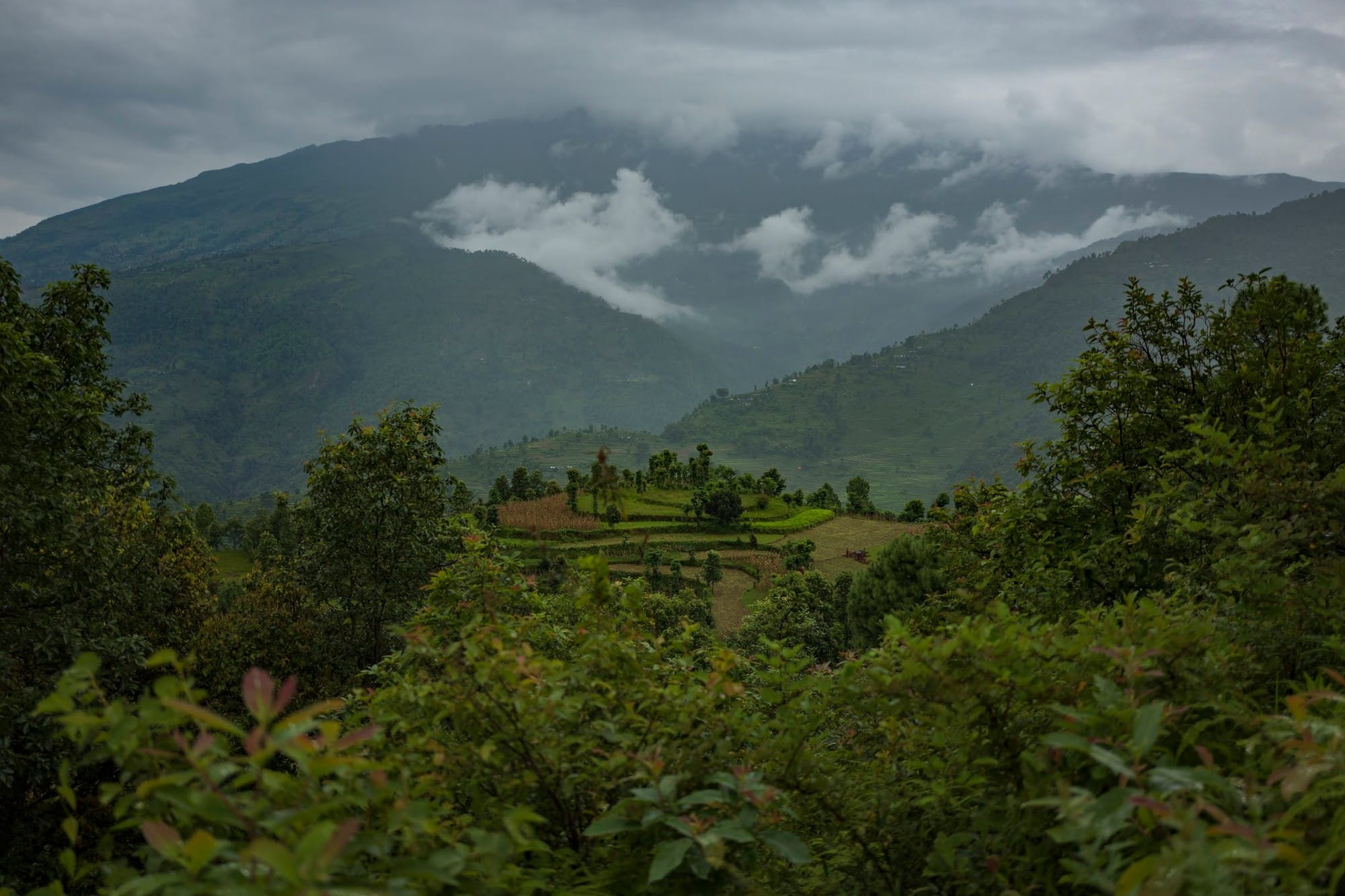
Laos, officially known as the Lao People’s Democratic Republic (Lao PDR), is a landlocked country in Southeast Asia located in the Mekong River Basin. The country has diverse topography, with approximately 80 percent of its land area mountainous and the remaining 20 percent consisting of low-lying plains. Laos experiences two main seasons: the rainy monsoon and the dry season.

The climate is generally hot and humid, with average temperatures ranging from 15°C to 35°C during the hotter months. In recent years, however, the country has faced increasing climate risks, including more frequent extreme weather events such as floods, droughts, and heatwaves, as well as changing rainfall patterns and rising temperatures. As a result, Laos is considered among the countries most vulnerable to projected climate change trends, with the communities increasingly exposed to severe climate-related hazards (World Bank Group, 2021).

These climate change impacts disproportionately affect poorer and more marginalized communities, where agriculture remains the primary source of livelihood. Many households face a high risk of falling into poverty when exposed to extreme weather events (ADB, 2017). In response, since 2015, Lao PDR’s NDCs have been focusing on climate change adaptation and mitigation across key sectors, including agriculture, forestry, land use, water resources, energy, transport, urban development, and public health.

Climate Justice projects
5
Active Climate Justice projects
3
Closed Climate Justice projects
2
People directly reached via Climate Justice project in FY24
5,131
People impacted via CJ project since 2021
2,300

EXPLORE

Other Themes

Donate for people and the planet

Help the CARE Climate and Resilience Academy share tools for change.

$
 
Personal Info

Credit Card Info
This is a secure SSL encrypted payment.

Donation Total: $25 One Time

This site is protected by reCAPTCHA and the Google Privacy Policy and Terms of Service apply.