


Enhancing Climate Adaptation from the Ground Up: CARE International at CBA20


From climate-resilient health systems to participatory climate information services, CARE International is sharing lessons from communities on the frontlines of the climate crisis.
As climate impacts intensify, from extreme heat and flooding to food insecurity and displacement, it is increasingly clear that adaptation works best when it is shaped by the people living the crisis. Across many climate-vulnerable regions, community-led approaches rooted in local realities and knowledge are proving essential to building long-term resilience.
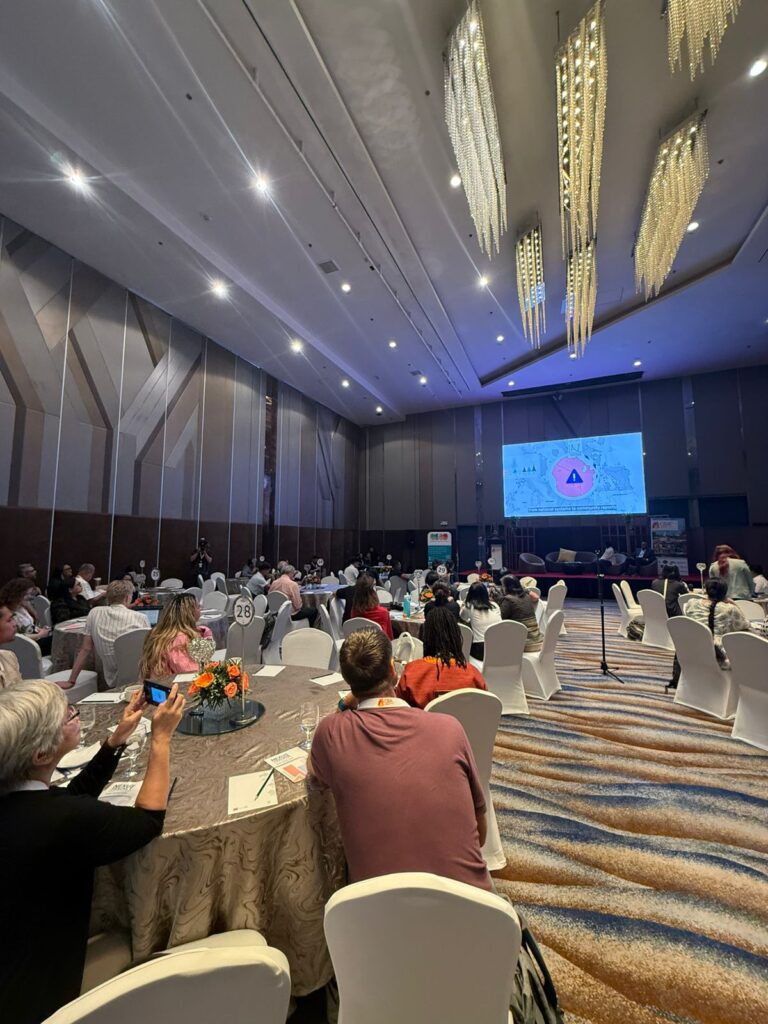
That message ran throughout the 20th International Conference on Community-Based Adaptation to Climate Change (CBA20), held in Manila, Philippines, from May 11–14. The conference brought together researchers, Indigenous leaders, policymakers, civil society organizations, and adaptation practitioners from around the world to examine how locally led adaptation can move from principle to practice. Discussions focused on climate and health, equitable urban resilience, and the integration of local, traditional, and scientific knowledge systems into adaptation decision-making.
Beyond technical discussions and programme examples, CBA20 also raised broader questions about power, representation, and whose knowledge shapes climate action. A recurring theme was that communities already hold critical knowledge about environmental change and practical adaptation, yet this knowledge often remains excluded from national and global decision-making spaces. Participants repeatedly called for Indigenous and locally produced knowledge to be recognised as a legitimate form of climate science capable of informing adaptation planning, early warning systems, and resilience strategies.
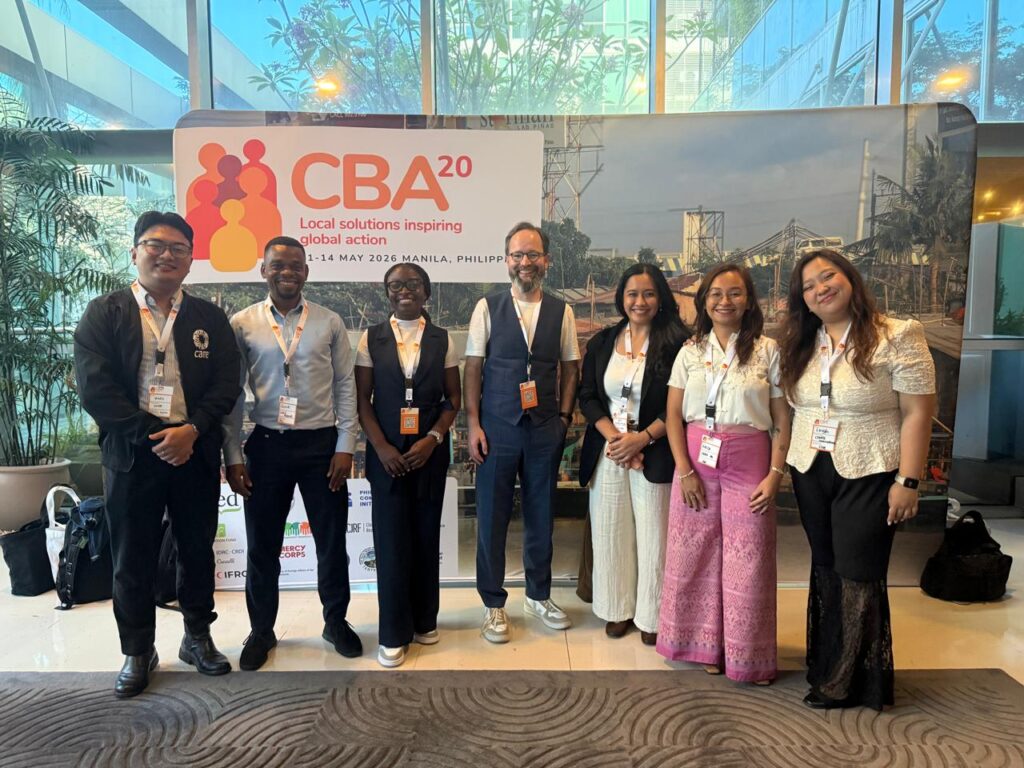
CARE International (CI) contributed lessons from programs across Africa and Asia that place communities at the centre of climate adaptation. Across panels, workshops, and poster sessions, CI highlighted approaches linking climate resilience with health systems, urban resilience, and participatory climate information services.
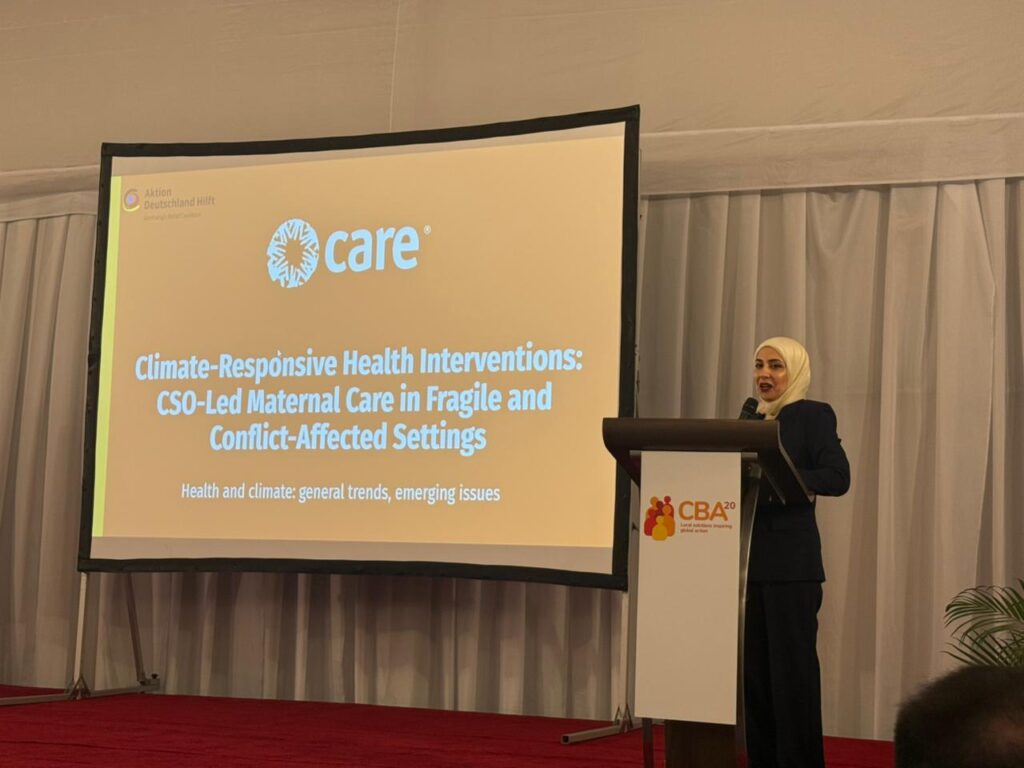
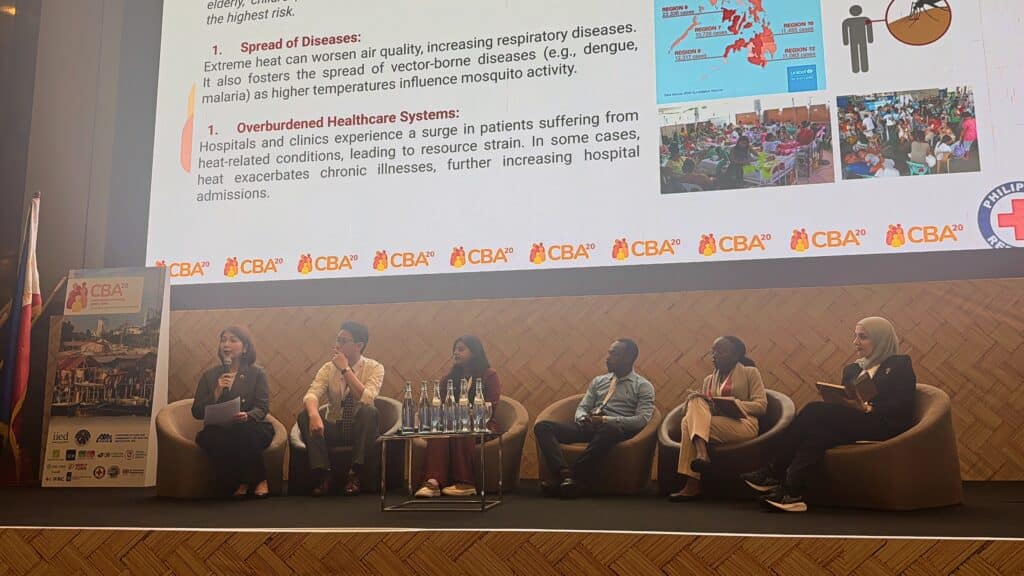
One major focus of CI’s engagement was the growing intersection between climate change and health. Rising temperatures, extreme heat, and climate-related disasters are placing increasing pressure on health systems and frontline workers, particularly in fragile and conflict-affected settings. CARE Iraq shared lessons on integrating local health interventions into national adaptation planning and strengthening health systems to respond to emerging climate risks.
“Extreme heat is especially difficult for displaced families who have already lost their homes and livelihoods, and for pregnant women who may walk long distances under harsh temperatures to reach healthcare services,” explained Hamsa Al Dahan, CARE Iraq’s senior technical advisor on health. These realities remind us that climate adaptation must be people-centred, she added, as El Niño is expected to further intensify heat stress in 2026.
Sessions also explored urban heat stress as a growing public health and livelihoods crisis. Drawing on experiences from Iraq, Kenya, the Philippines, Ghana, India, and Bangladesh, participants examined how rising temperatures are increasingly affecting informal workers and communities living in infrastructure-poor urban areas, while discussing the governance and structural changes needed to make rapidly growing cities safer and more resilient.
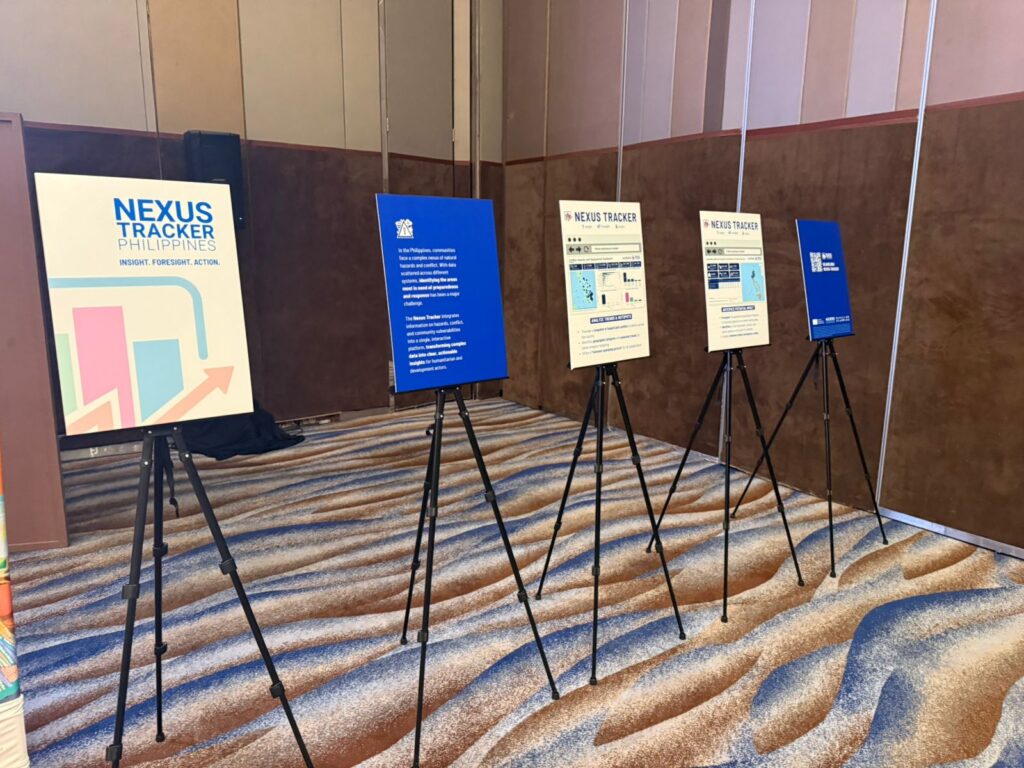
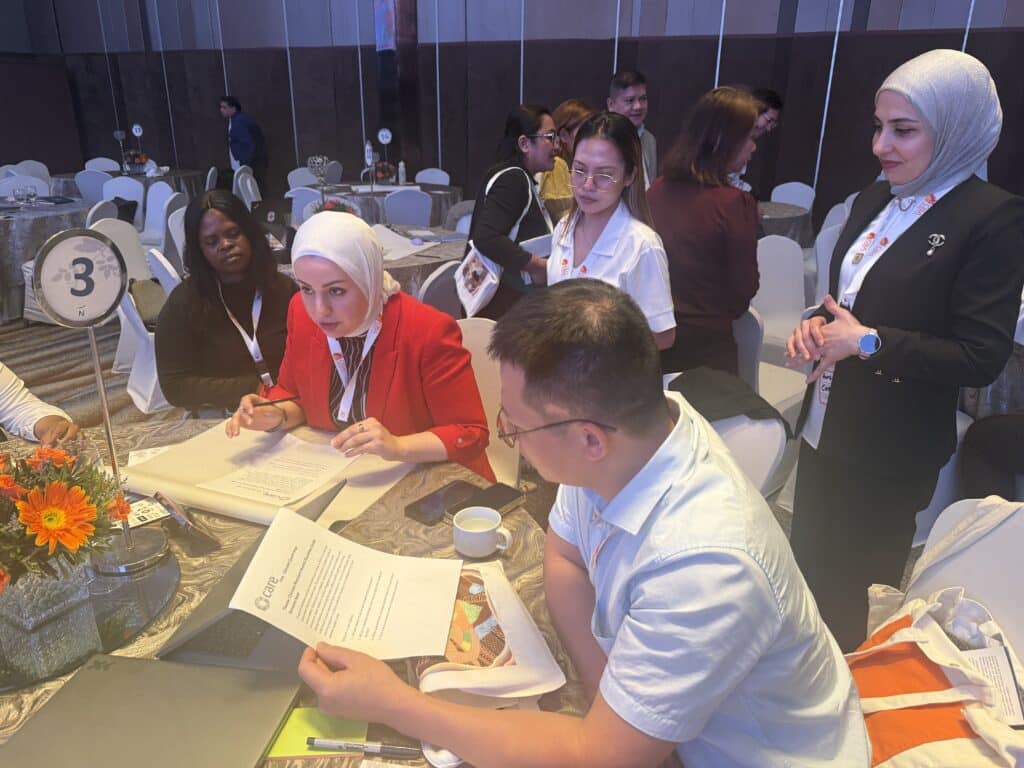
The role of local and Indigenous knowledge also featured prominently throughout the conference. CARE Philippines and local partner ACCORD, representing the ACCESS project consortium, presented the Nexus Tracker, a locally developed tool that maps hazards, conflict, and displacement to support more informed and locally led adaptation planning.
“Climate change adaptation cannot succeed if we treat climate risks in isolation from the realities communities in fragile settings face every day — conflict, displacement, insecurity, and overlapping hazards,” said Jennifer Furigay, ACCORD’s design, monitoring, evaluation, and accountability coordinator. “The Nexus Tracker helps make these interconnected risks visible by turning fragmented data into actionable insights for more locally grounded adaptation.”
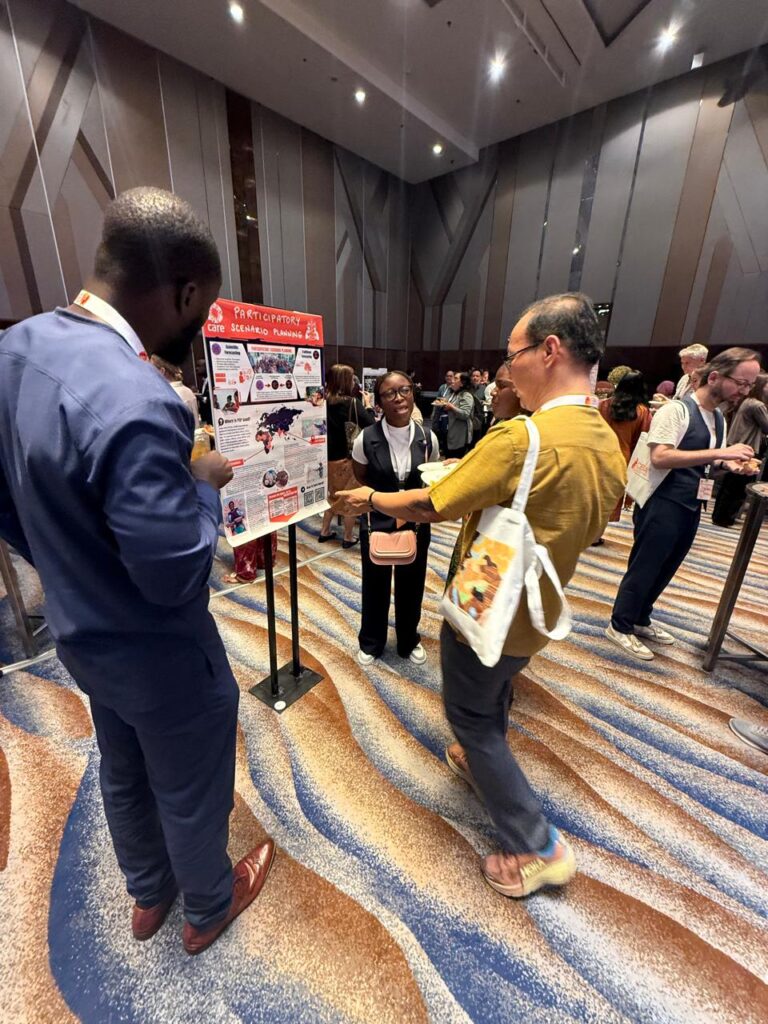
CI also showcased Participatory Scenario Planning (PSP), an approach that brings together meteorological agencies, Indigenous knowledge holders, local authorities, and community groups to jointly interpret seasonal climate forecasts and turn them into practical, locally relevant advisories. Through examples from Zambia and Vietnam, CI demonstrated how combining scientific forecasts with local knowledge can strengthen early warning systems and support more resilient livelihoods.
Underlying the discussions throughout CBA20 was a broader message: effective climate adaptation depends not only on technology or finance, but also on shifting power, resources, and decision-making closer to the local level.
“CBA20 was a reminder that communities are not waiting for solutions to arrive from elsewhere,” observed Erica Chester Bucog, Disaster Risk Reduction Manager at CARE Philippines. “They already hold knowledge, strategies, and leadership for adaptation. The conference challenged many of us to think differently about climate action — not as something delivered to communities, but as something communities are already leading.”