CARE’s Poster on PSP at CBA20: Integrating traditional knowledge with scientific data for more effective early warning and adaptation action


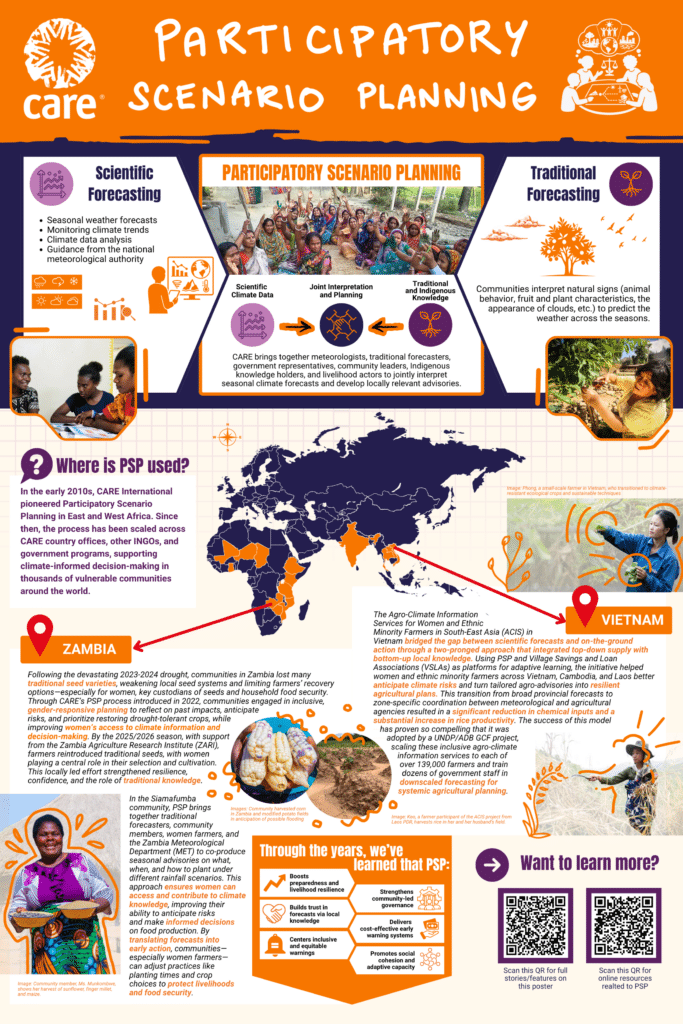
This post showcases an extended version of the featured case stories and information included in CARE’s poster display at CBA20, held in Manila, Philippines, from May 11-14, 2026. Below is a digital copy of the poster displayed at the event.
What is Participatory Scenario Planning?
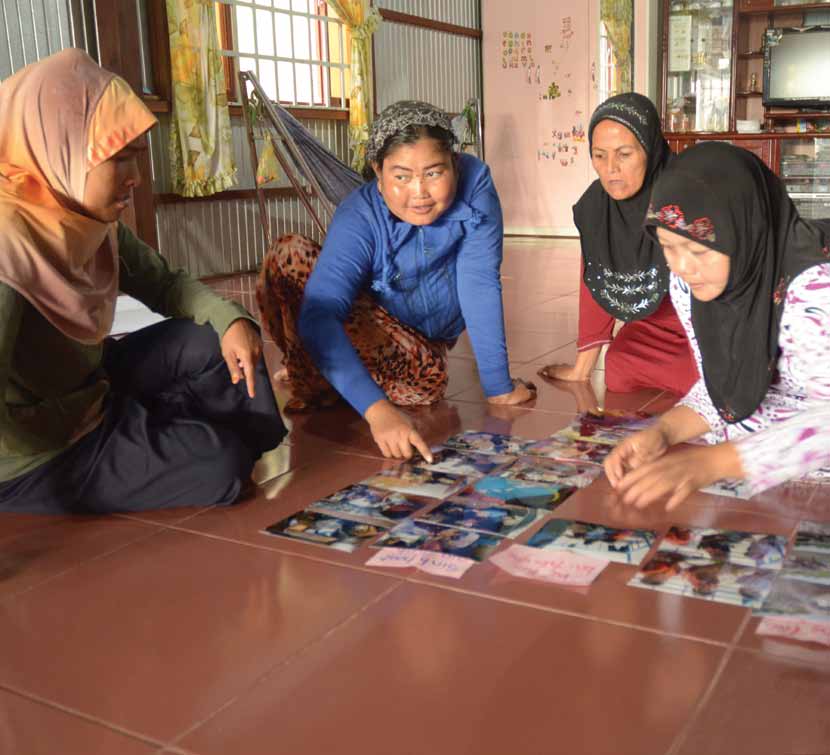
Participatory Scenario Planning (PSP) is a collaborative approach that brings together meteorologists, traditional forecasters, government representatives, community leaders, and livelihood actors to jointly interpret seasonal climate forecasts and develop locally relevant advisories.
In PSP workshops, participants review scientific seasonal forecasts alongside traditional and indigenous forecasting methods. Through dialogue, stakeholders identify likely climate scenarios (often described as above-average, average, or below-average rainfall) and develop practical advisories tailored to local livelihoods and risks.
Advisories include recommendations related to planting and harvesting decisions; livestock management and disease prevention; water resource management; early warning; fishing practices or settlement movement. Participants also agree on dissemination strategies to ensure that information reaches communities through trusted channels such as local leaders, radio broadcasts, community meetings, extension agents, women’s groups, and digital platforms.
By combining scientific data with local knowledge and decision-making, PSP strengthens the relevance, credibility, and usability of information.
Over 15 years of experience, Participatory Scenario Planning was pioneered by CARE in East and West Africa in the early 2010s and has since been scaled across CARE country offices, other INGOs, and government programs, supporting climate-informed decision-making in thousands of vulnerable communities across the world.
Participatory Scenario Planning in Zambia: The CBA Scale+ Project
Collaborative processes improve access to information that translates into action
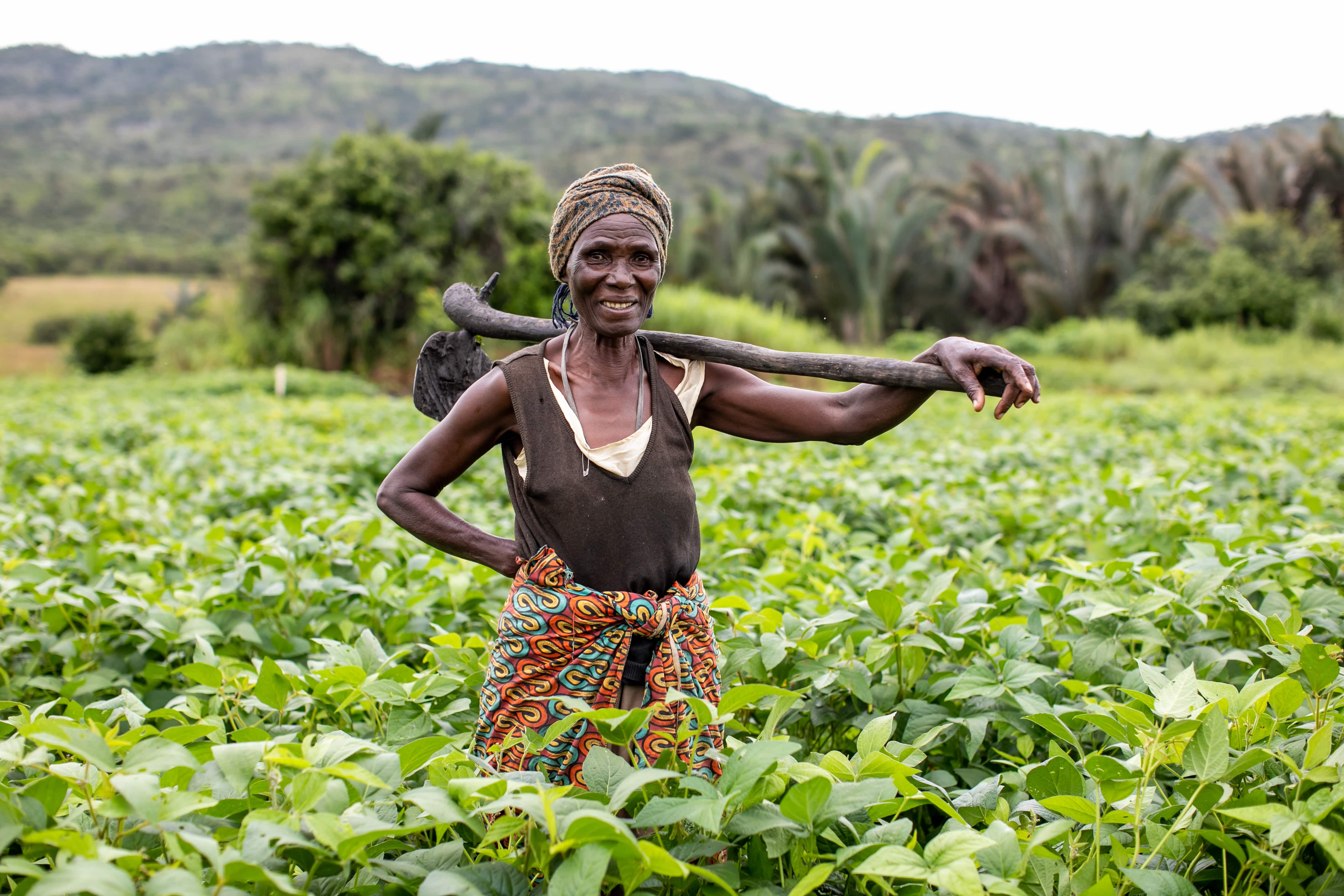
In southern Zambia, CARE’s PSP approach has strengthened community resilience by integrating traditional weather forecasting with scientific climate data, while ensuring that the process is inclusive and responsive to the roles of different community members. In the Siamafumba community of the Zimba District, traditional forecasters draw on natural indicators such as the sighting of the ground hornbill to signal good rains, or the heavy fruiting of wild-fruit trees like Masuku and Mobola plum to anticipate dry spells.
Through PSP, CARE brings together traditional forecasters, community members, women farmers, and the Zambia Meteorological Department (MET) to jointly interpret seasonal climate forecasts. This collaborative process produces practical seasonal advisories that guide farmers on what crops to plant, when to plant, and how to plant under different rainfall scenarios. The inclusive nature of PSP ensures that women who play a primary role in household food provision can participate in discussions, access climate information, and contribute their knowledge and priorities.
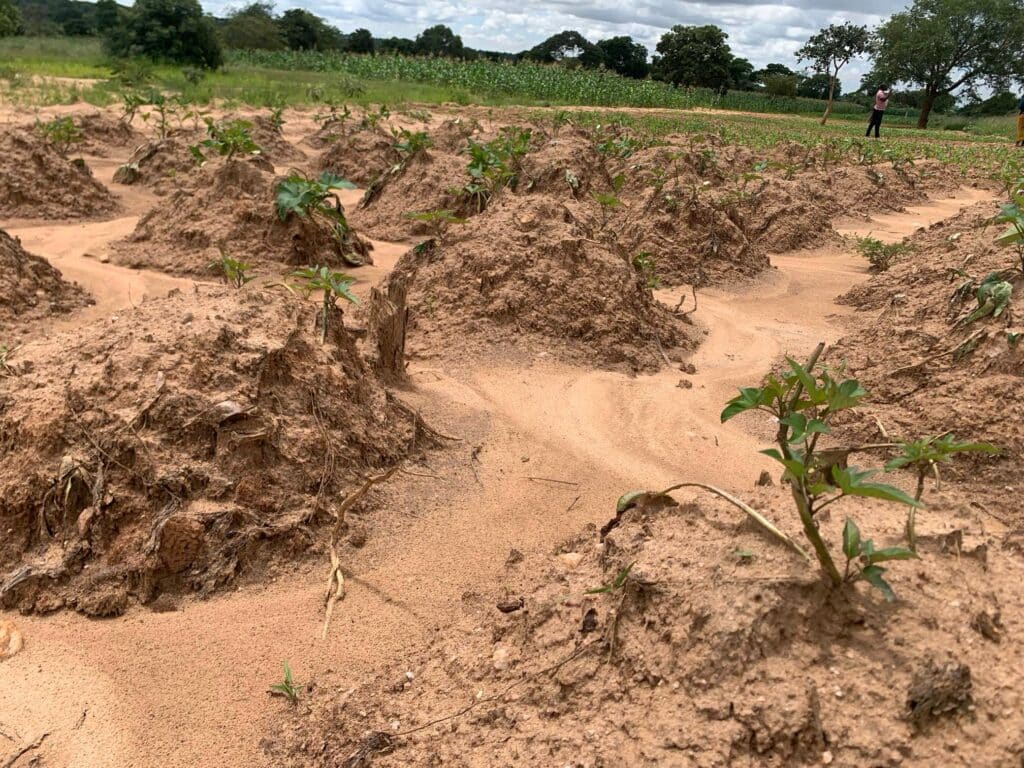
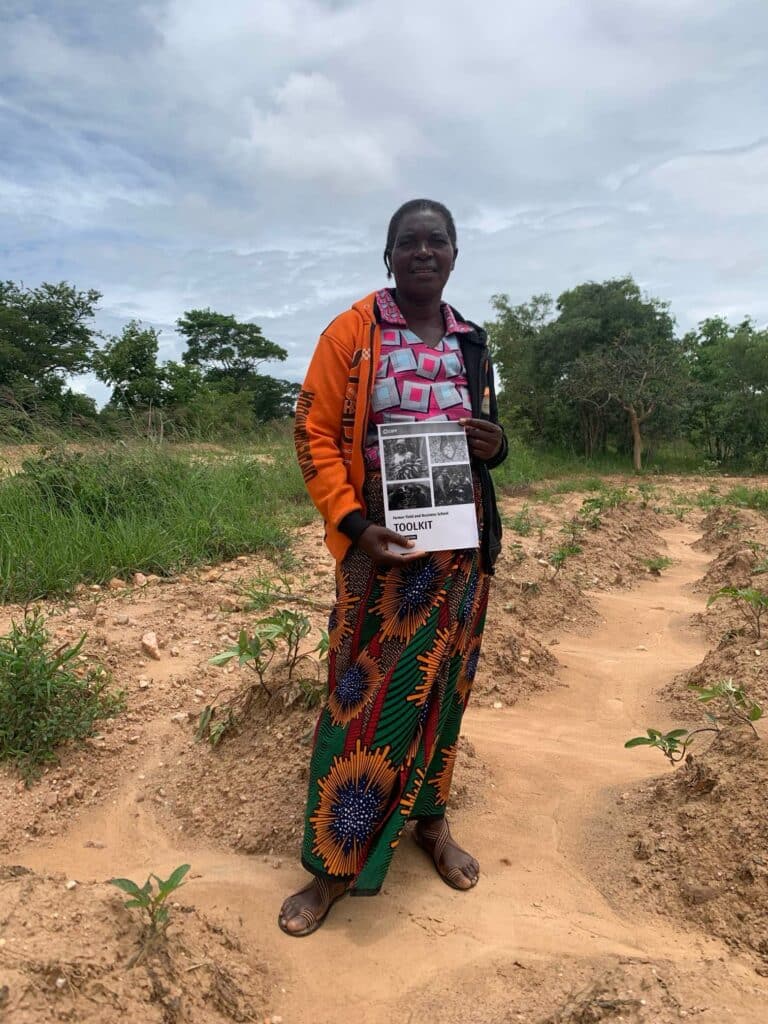
By engaging in PSP, women gain improved access to timely and locally relevant climate information, enabling them to better understand potential risks such as floods or dry spells, as well as opportunities for improved production. This supports more informed decision-making at the household level, particularly in relation to food production and security.
The process also supports farmers in translating information into action. By preparing for worst-case scenarios before the season begins, communities, including women farmers, are better equipped to adjust their agricultural practices, such as modifying planting times or crop choices, in ways that protect livelihoods and household food security in the face of increasing climate uncertainty. The photos above demonstrate how farmers adjusted their sweet potato fields in anticipation of flooding following the PSP.
Enabling women to make informed decisions and take action
Following the devastating 2024/2025 drought, communities in the district suffered widespread losses of traditional seed varieties, with some crops nearing extinction after successive climate shocks. These repeated droughts severely weakened local seed systems, leaving smallholder farmers with limited options to recover and rebuild resilient livelihoods. The impacts were particularly significant for women, who play a primary role in household food provision and are key custodians of seeds, as their ability to secure diverse and reliable food sources was constrained.
Building on lessons from CARE’s PSP process introduced in Zambia in 2022, communities began to collectively re-envision their agricultural future. Through inclusive and gender-responsive seasonal planning discussions, farmers reflected on past climate impacts, anticipated future risks, and identified priority actions to restore locally adapted and drought-tolerant crops. PSP created a platform where women could actively participate alongside other stakeholders, strengthening their access to climate and agricultural information. By engaging in the interpretation of seasonal forecasts and local knowledge, women were better able to understand emerging risks and opportunities affecting food production.
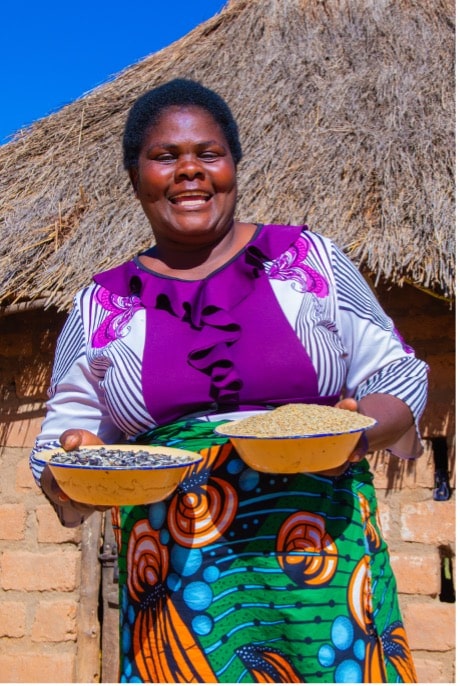
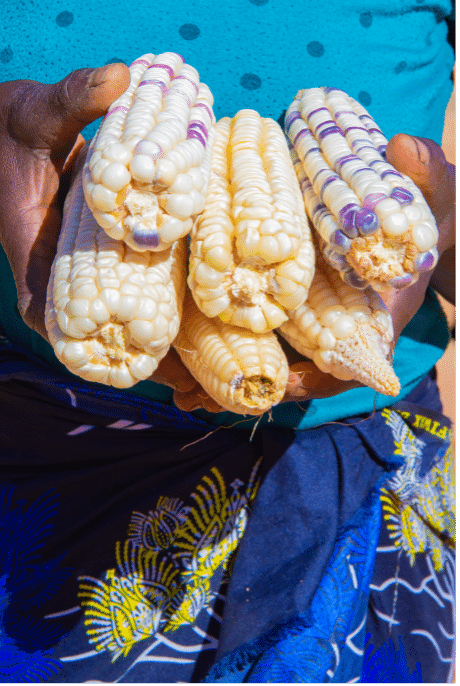
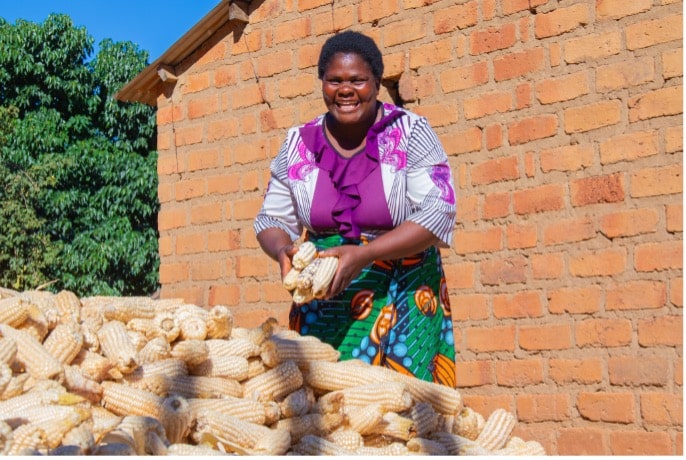
The process also enabled women to translate this information into concrete actions. With improved understanding of climate variability, women farmers contributed to decisions on crop selection and timing, prioritizing resilient and nutritious crops that support household food security. By the 2025/2026 farming season, the project, in collaboration with the Zambia Agriculture Research Institute (ZARI), supported farmers with traditional seed varieties that had historically sustained communities before climate variability intensified. Women played a central role in selecting, managing, and cultivating these seeds, reinforcing their role in sustaining household nutrition and resilience.
This locally led effort to revive indigenous seeds strengthened farmers’ confidence and adaptive capacity, underscoring the value of traditional knowledge in responding to climate uncertainty. It also demonstrated how PSP provides a critical channel for women to access information, strengthen their decision-making, and take practical steps to secure food for their households.
Learn more about the CBA Scale Project in Zambia
PSP in Vietnam: Forecast information that meets needs and enables action
The Agro-climate Information Services (ACIS) for Women and Ethnic Minority Farmers in Southeast Asia (ACIS) project was co-implemented by CARE International in Viet Nam and the World Agroforestry Centre (ICRAF) with funding from the Research Program on Climate Change, Agriculture and Food Security (CCAFS) run by the Consultative Group on International Agricultural Research (CGIAR). The project used a two-pronged approach: to supply forecast information that better meets users’ demand (top-down) and to translate the information into agro-advisories by integrating local knowledge and ensuring feedback mechanisms that lead to adaptive learning (bottom-up). ACIS enables women farmers, ethnic minority farmers, and agricultural planners in Vietnam, Cambodia, and Laos to better anticipate and respond to risks and opportunities from changes in the weather through participatory and equitable agro-climate information services. Features of communication mechanisms to support climate-resilient action include:
- Integrating scientific and local knowledge
- Ensuring women and ethnic minority farmers have the capacity to understand, demand, and seek agro-climate information and develop informed plans to reduce climate-induced crop failure
- Next-users, such as local authorities, have access to tailored agro-climatic information and can communicate effectively with ethnic minority and women farmers.
- Establishing farmer learning networks and/ or VSLA platforms and gender champions to ensure agro-climate advisories are accessed by all, and learning is happening
The project achieved its objectives through:
- Delivering climate forecasts tailored to specific agro-climate zones (rather than broad provincial forecasts)
- Building the capacity of farmers, community organisations, and government partners in climate adaptation
- Using Village Savings and Loan Associations (VSLAs) as platforms to:
- Share forecasts and advisories
- Facilitate discussion and learning among farmers
- Enhancing coordination between meteorological services and agricultural agencies
- Developing evidence-based policy recommendations for climate-smart agriculture
Key Results:
- Improved climate information and advisory services – more accurate, detailed, and reliable forecasts and advisories (e.g., planting times, pest control) better tailored to specific climate scenarios
- Stronger institutional coordination – collaboration between hydromet, the agricultural department, extension services, and more frequent and effective technical exchange
- Reduced use of inputs – plant protection chemicals and fertilizer use declined significantly
- Increased rice productivity: VSLA households: +0.91 ton/ha; Project villages: +0.78 ton/ha; Non-project villages: +0.23 ton/ha
In addition, UNDP/ADB’s GCF project, drawing on consultation experiences from the ACIS project, has adopted PSP that will be adapted to provide and disseminate agro-advisories to 139,416 farmers in 60 communes in 5 provinces and train 50 staff members in hydro-meteorology and DARD on generating and interpreting downscaled forecasts for use in agricultural planning.
Learn more about the ACIS Project
Through the years, we have learned that Participatory Scenario Planning:
- Improves preparedness and increases livelihood resilience
- Enhances trust in forecasts by connecting them to familiar local signals
- Ensures warnings reflect the needs and voices of women, Indigenous peoples, and marginalized groups
- Strengthens community governance and participation in early warning systems
- Operates cost-effectively without requiring expensive infrastructure like satellites, radars, or dense sensor networks
- Fosters social cohesion and long-term adaptive capacity
The moment is right to evolve PSP into a next-generation, people-centered early warning capability that draws the best from traditional knowledge and cutting-edge science. An integrated PSP can become:
- Interoperable (connected to national and global forecasting systems)
- Data-rich (integrating real-time hazard indicators and satellite-based ecosystem monitoring)
- Digitally supported (simple, mobile-first tools for decision-making and dissemination)
- Scalable (standardized frameworks for widespread adoption)
- Knowledge-protective (safeguarding Indigenous knowledge rights and ensuring community ownership)