


Capacity Statement on Clean Energy: Powering Equality Through Clean Energy


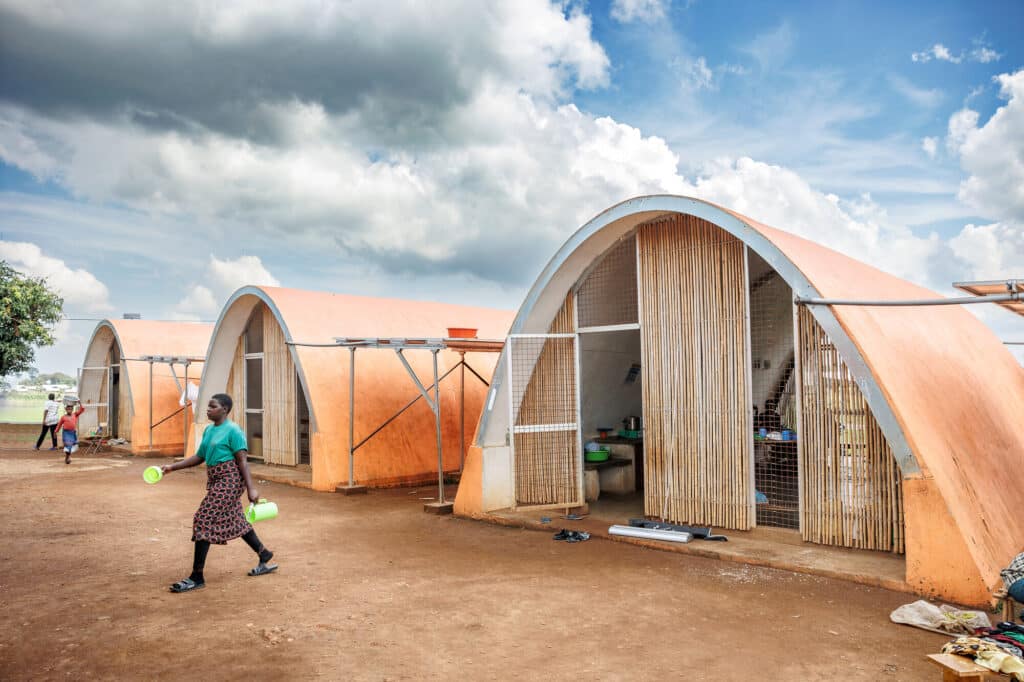
At dawn in northern Kenya, a borehole hums to life. Where diesel engines once stalled, solar panels now power pumps that deliver reliable water for people and livestock. In refugee settlements in Uganda, communal kitchens glow with solar light, replacing smoky fires that once consumed time, money, and nearby forests. Across CARE’s work, clean energy is not an abstract climate solution — it is practical, visible, and woven into daily life.
For CARE, clean energy goes beyond reducing emissions. It is central to advancing gender equality and climate justice. Access to energy shapes who has time, safety, income, and opportunity. Women and girls are often disproportionately affected by energy poverty through exposure to indoor smoke, long hours collecting fuel, or limited access to emerging energy markets. When energy systems are designed intentionally, they can help shift these dynamics and ensure the transition is inclusive and fair.
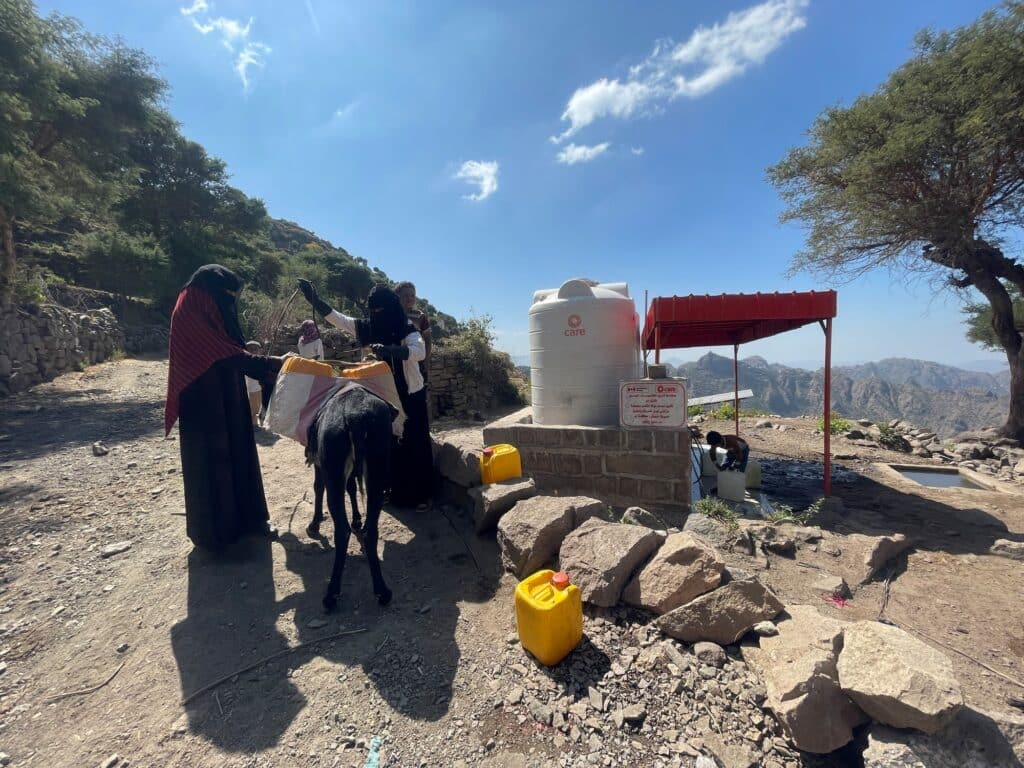
In many of the communities where CARE works, energy determines whether clinics can function after dark, whether water systems operate during drought, and whether food can be safely stored. Solar installations at health centres and water points in countries such as Sudan, Syria, and Palestine keep essential services running when fuel supplies are disrupted. In displacement settings, lighting improves safety, and cleaner cooking reduces reliance on scarce resources. These are immediate gains that strengthen resilience while addressing structural inequalities.
Clean energy also opens economic doors. In Tanzania, CARE’s Go Green initiative built a clean-energy value chain linking business groups, suppliers, and financial institutions. In Sierra Leone, solar mini-grids have supported thousands of women entrepreneurs to expand small businesses. In Jordan, vocational training in solar installation has created pathways into a growing sector, contributing to national renewable targets while challenging restrictive norms.
CARE’s approach is holistic. Clean energy is integrated with agriculture, water systems, markets, and humanitarian response. Solar-powered irrigation supports climate-smart farming. Improved cookstoves reduce emissions and protect health. Biodigesters turn waste into fuel and fertiliser, closing resource loops. Through participatory, locally led processes, communities shape and sustain these solutions over time.
Clean energy, as CARE sees it, is a cornerstone of a just transition – powering services, supporting livelihoods, advancing equality, and ensuring climate action delivers lasting benefits for people and planet.
Capacity Statement on Clean Energy
February 2026