


Somalia: A Super-El-Niño is Coming and Aid is Leaving


There is still a brief window to prepare for a Super El Niño. Preparedness should be accelerating, yet services, funding, and response capacity are disappearing.
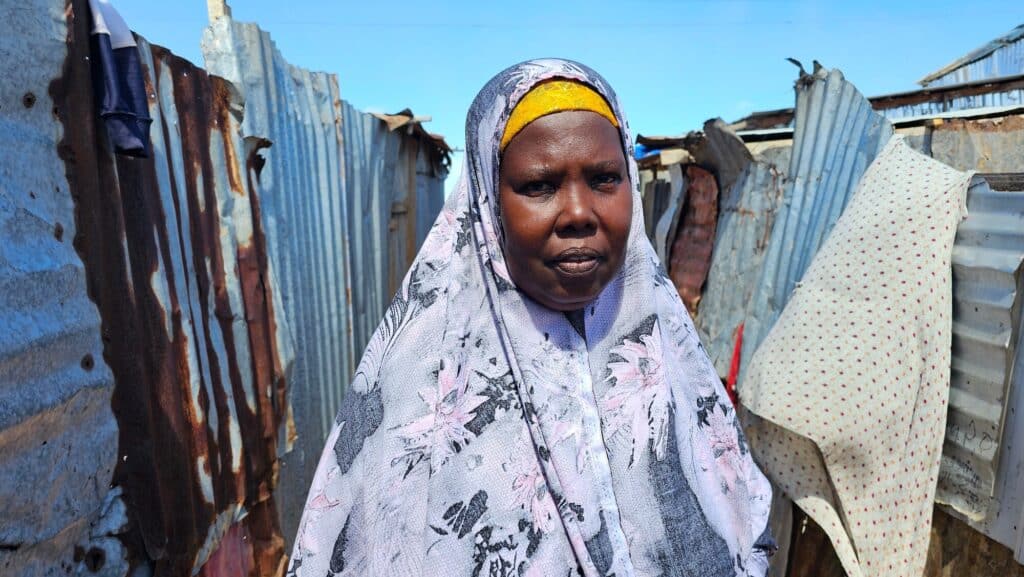
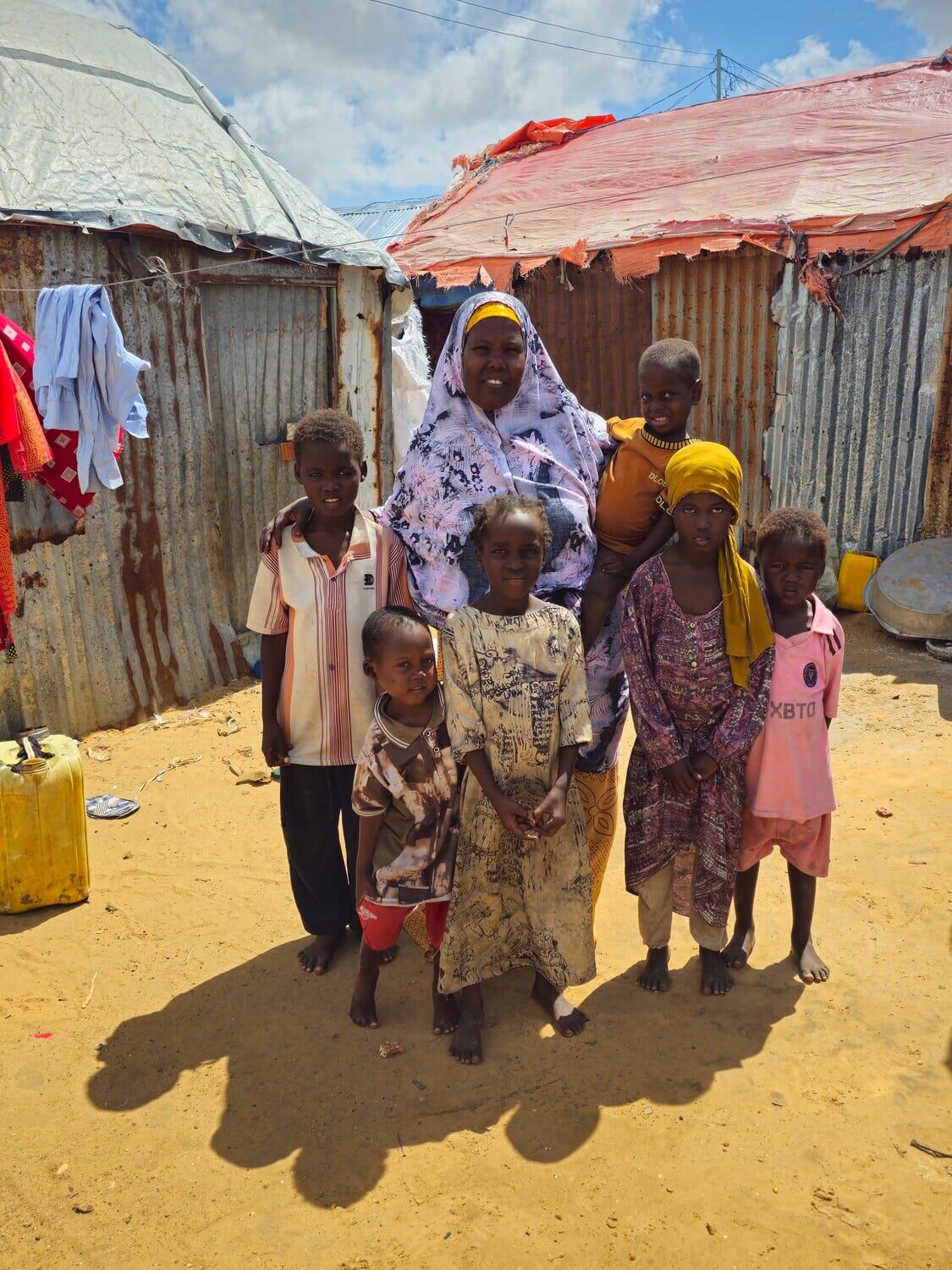
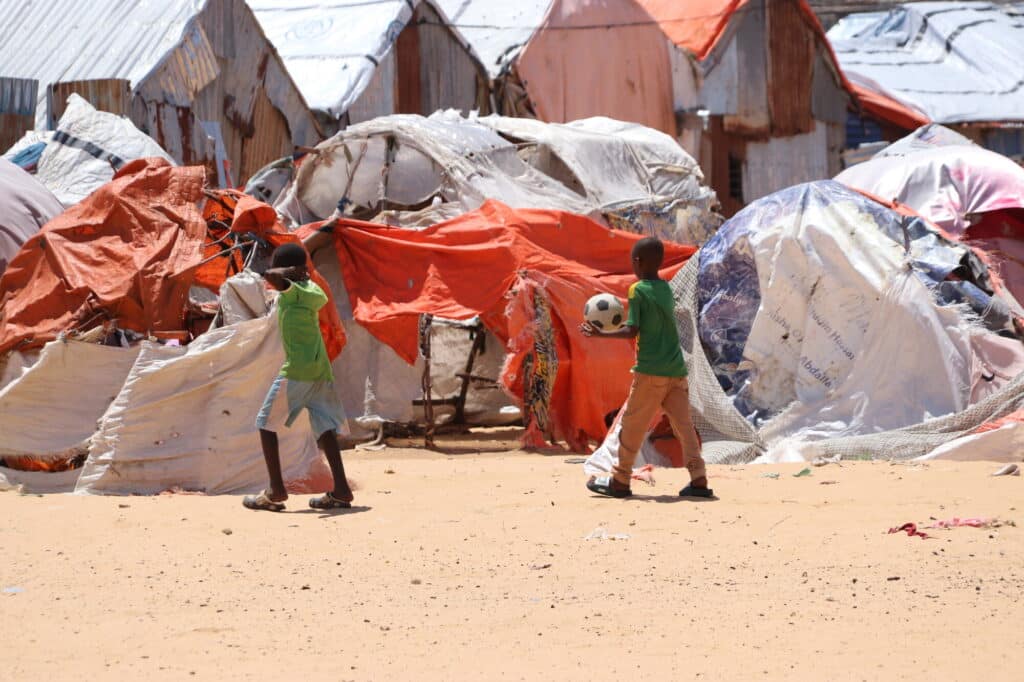
“What happened? Why has everyone left us?” Fadumo, 42, asks the question from a plastic chair outside her shelter in a displacement camp on the outskirts of Mogadishu. A year ago, she fled violence in Somalia’s Hiiraan region, where the Shabelle River winds through communities now facing renewed fears of flooding as a Super El Niño develops. Today, she lives with her disabled husband, her mother, nine children and seven of her brother’s children. The family escaped one disaster after her village was attacked. Now another may come. Around her, children weave between shelters built from sticks, cloth, and scraps of metal. The ground is dry. The sky is clear.
(©2026 Sarah Easter/CARE)
Yet across Somalia, attention is fixed on the weeks and months ahead, when forecast rainfall could push the Jubba and Shabelle rivers beyond their banks and into communities that have had little chance to recover from years of crisis. Meteorologists have confirmed that 2026 is a Super El Niño year. Forecasts indicate a high likelihood of exceptionally heavy rainfall during the Deyr season, Somalia’s short rains period from October to December. The greatest concern lies along the Jubba and Shabelle river systems, including the Shabelle River corridor that runs through Hiiraan, the region Fadumo fled. The flood event is a prediction. And if these materialize, millions of people living along these river basins could face flooding on a scale comparable to some of the country’s most devastating flood disasters. The country has endured nearly continuous shocks for years: drought, conflict, displacement, food insecurity and repeated climate extremes. Millions are already struggling with acute malnutrition. Millions more have been displaced from their homes. There has been little opportunity for recovery. Many are still living with the consequences of the 2023 El Niño floods. Homes were swept away. Livestock died. Irrigation systems were destroyed. People hung on trees for their lives. Roads and bridges were damaged. Entire communities lost the assets that sustained them. Fadumo knows what it means to lose everything suddenly.
Zero Food in the House
The family fled after her community was attacked. “Our farm was burning. Armed men came and just burned everything. They killed my first son, then they killed my brother,” she remembers. Her husband gathered what did not burn and then ran. When asked what she managed to take with her, Fadumo falls silent. Then she answers. “I took a lot of pain from there.” That is the only thing she remembers. The pain and loss. For a moment, she continues. “He died directly in front of me. We were so scared, I could not even understand what I was seeing. That he was gone.” Her voice breaks, and she is not able to continue talking. One of her daughters approaches carrying a small jerrican of water. Fadumo looks away and the conversation shifts from the dead to the living. Her 11-year-old son is not at home. “He goes to the city center in Mogadishu to shine shoes and earn a living.” The family survives largely on what he brings back. On a good day, five dollars. Often less. “Yesterday he came home with 2.5 USD. Other days he comes home with no money,” Fadumo says. She herself suffers from health problems and can rarely leave the shelter. They cook one meal a day when they can afford it. “Today, I have zero food in the house, and we did not eat anything yet, we wait for my son to return. Only then I know if we will eat today.” This is life in a camp that is growing even as support disappears.
(©2026 Sarah Easter/CARE)
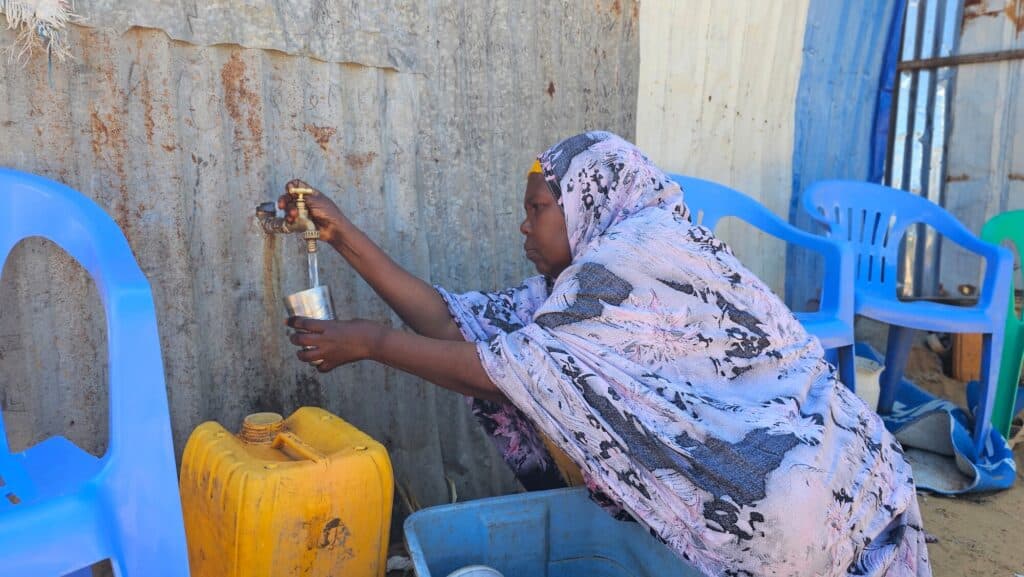
Around 1,280 households already live here. In the last month alone, another 700 families arrived after being driven from their homes by conflict and drought. Every available space is occupied. The buildings that once hosted training sessions, women’s programmes and other humanitarian services are now shelters. Families sleep on the floors where assistance activities once took place. Since May, humanitarian support in the camp has stopped. The health services are gone. Water distribution has ended. Food assistance has ended. Safe spaces for women and girls have closed. Cash support has ended. Everything stopped at once. “Before, we had services we could access. We had opportunities and did not have to think about how to survive the next day. Now everything you have to pay for, and everything has become so expensive, and we have zero money. Everything has stopped.”
(©2026 Sarah Easter/CARE)
Window to Act is Closing
Now, as concern grows over what this rainy season may bring, aid workers and local authorities face a different reality than they did in 2023. Back then, there were more resources available to respond. Today, programmes, such as in Fadumo’s camp, are closing. Health facilities have already shut their doors in some areas, including 50 CARE health facilities. More are at risk if funding shortfalls continue. Yet functioning health centres are often the first line of defence when floods arrive. They treat injuries, identify outbreaks, distribute therapeutic nutrition and help stop diseases from spreading through communities. Without them, the consequences of flooding extend far beyond rising water. Standing water can drive increases in malaria transmission. Flooding can contaminate water sources and heighten the risk of cholera and other diseases. Livestock deaths and crop losses can deepen hunger in communities where food insecurity is already widespread. When roads become impassable, help becomes harder to reach. In 2023, some medical supplies had to be transported by air when flooding cut off access routes. This year, response capacity is expected to be more limited. Costs have increased. Resources have decreased. At the very moment preparedness should be accelerating, however, the opposite is happening, and many lifesaving programmes are slowing or ending. The consequences of that gap may not become visible until the rains begin. By then, it will be too late to prepare. There are only a few weeks left to act. The window to prepare is closing.
The difference since May, Fadumo says, is not only material. “We can only plan day by day now. Before the aid organizations had to leave, I could look ahead. I could think about something like the future. But now it’s day by day, hour by hour. If I have money, I use it for the most urgent need that day, which always is the hunger.” The last time she remembers living without constant worry was when her family received cash assistance. “I just went to the shop and bought what I needed, and I was able to choose different types of food, and my children were not complaining about empty stomachs and growing weaker by the day.” For families like Fadumo’s, survival already depends on the narrowest of margins. In the camp where Fadumo lives, nobody is discussing climate forecasts in technical terms. They speak about space. About food. About where to find casual labor today. Where to bring their malnourished children. Whether there will be enough water. A camp manager watches new arrivals continue to enter and shakes her head.
“Long-term aid is more important; food is good for today or tomorrow, but without work and opportunities they will starve the day after tomorrow!”
Her words echo a reality visible across the camp. Humanitarian assistance helps people survive. But survival alone does not rebuild a life. The question is whether the world will act before the water arrives. Because when disasters strike populations that have no savings, no reserves, no support systems left and nowhere else to go, recovery is no longer measured in months or years. Sometimes it is measured by whether families survive the next day at all.