


Where Nature Protects Lives: Inside Bangladesh’s Mangroves


In Bangladesh’s coastal southwest and northeastern wetlands, climate change is already reshaping daily life. Rising sea levels push saltwater into farmland, floods disrupt fisheries, and extreme weather damages homes and infrastructure. In these vulnerable regions, adaptation is increasingly tied to how ecosystems are managed and restored.
At the edge of the Sundarbans, the world’s largest mangrove forest, rivers connect to the Bay of Bengal, forming a natural buffer against cyclones. Further northeast, in Hakaluki Haor, one of the country’s largest wetlands, seasonal flooding and environmental degradation are affecting agriculture, fisheries, and local incomes. These two areas are now central to a large-scale climate adaptation effort led by CARE Bangladesh and its partners.
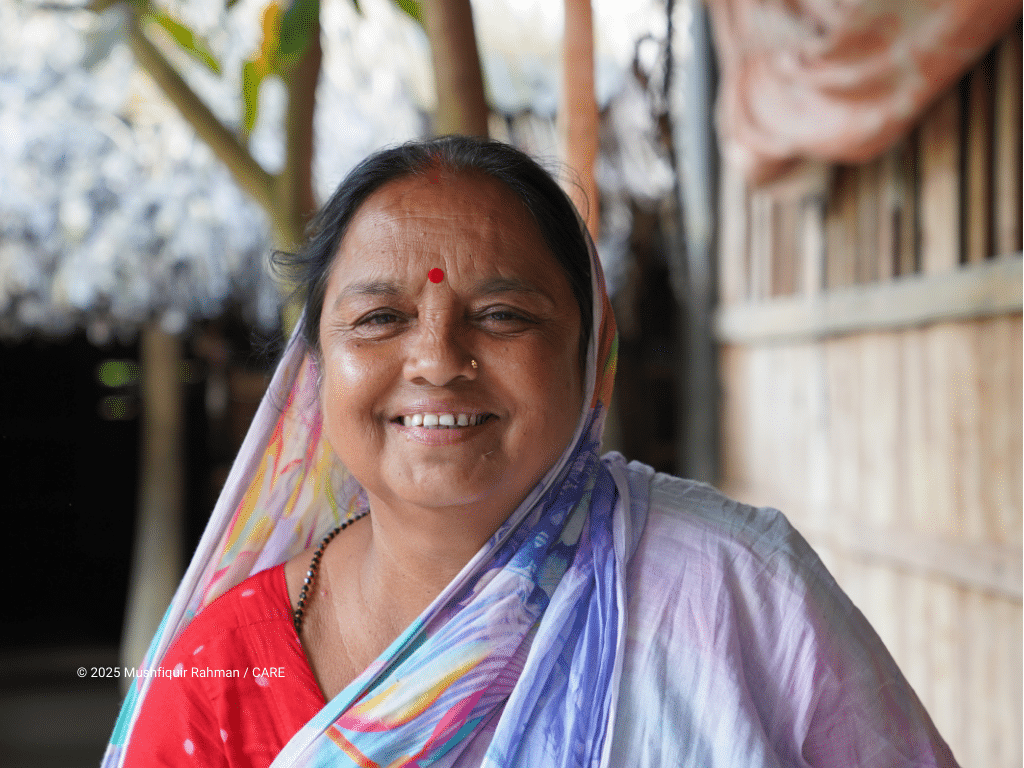
“Saltwater used to ruin our crops every year, leaving us with nothing but debt. We didn’t know how to fight the rising tides. But now, by protecting the mangroves and changing how we farm, we aren’t just surviving the storms, we are building a future where our children can stay safe on this land.” Renuka Sarkar, a member of the Farmers Field and Business School (FFBS) in Koyra, Khulna.
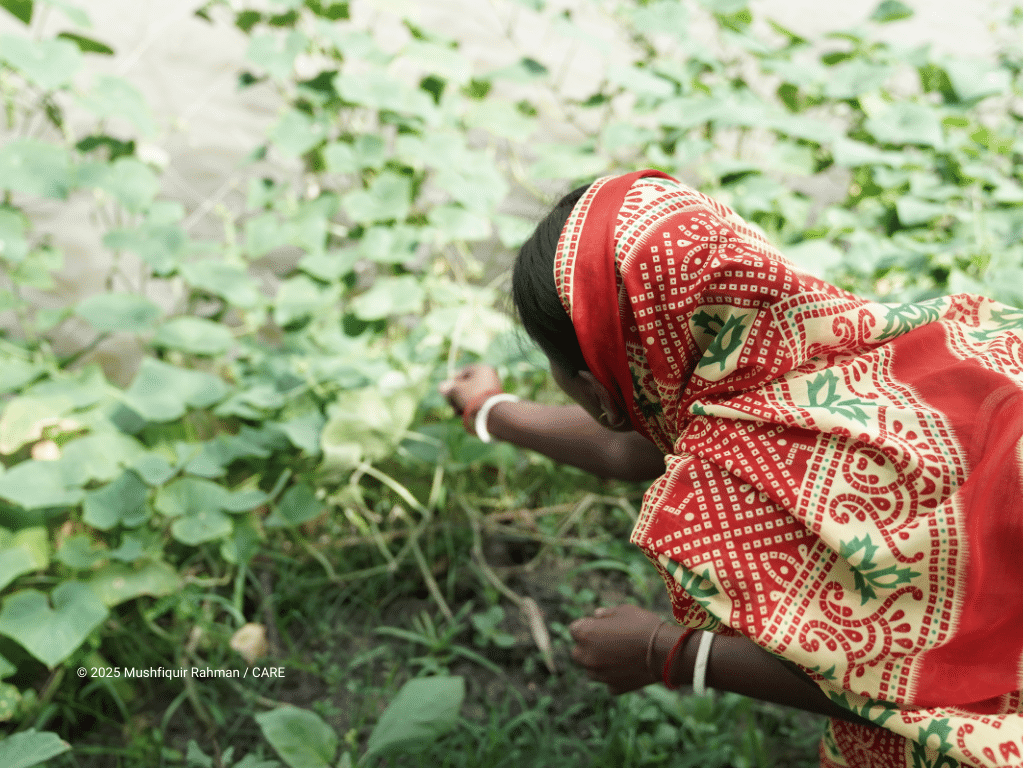
The initiative, known as NABAPALLAB – Nature Based Adaptation towards Prosperous and Adept Lives & Livelihoods in Bangladesh -operates across 102 unions in 18 sub-districts in Bagerhat, Satkhira, Khulna, Maulvibazar and Sylhet. Funded under the UK FCDO’s flagship Bangladesh Climate and Environment Programme, it is part of broader climate cooperation between Bangladesh and the United Kingdom. More than 210,000 vulnerable families are directly benefiting from the project, many of them dependent on natural resources for their survival.
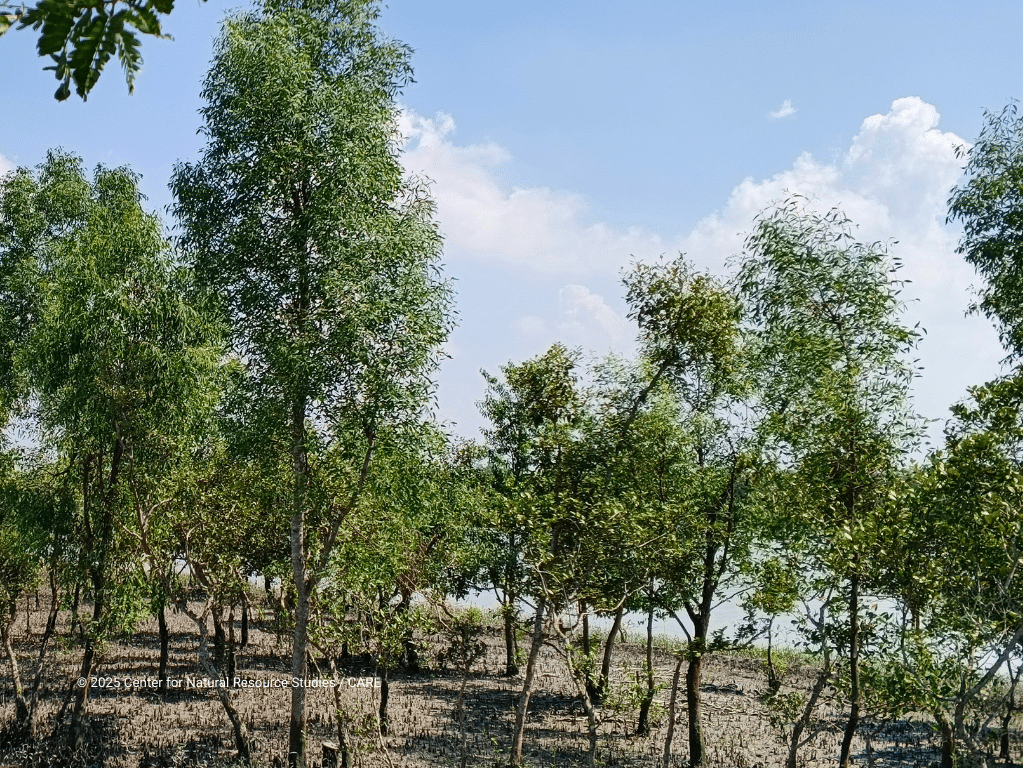
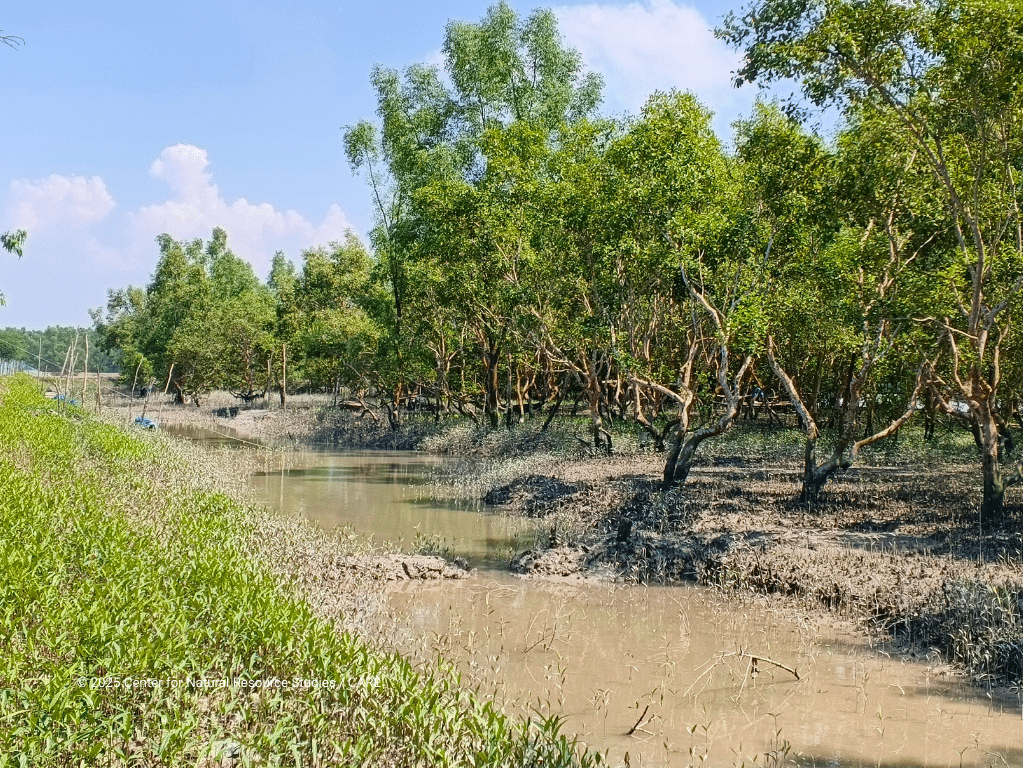
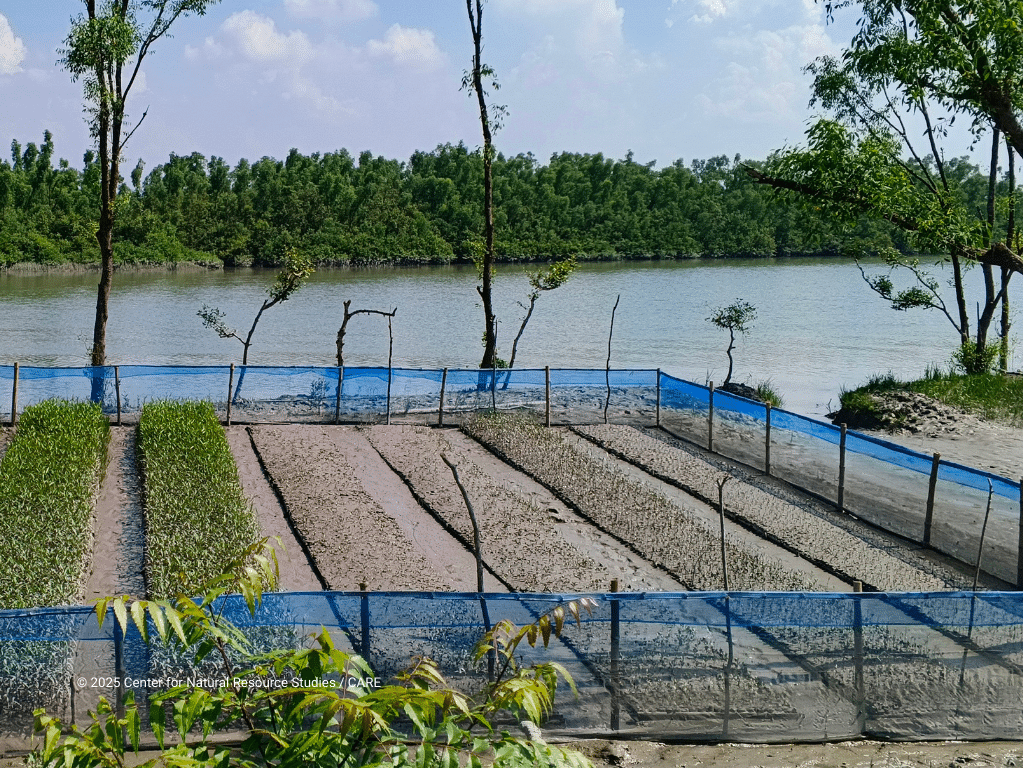
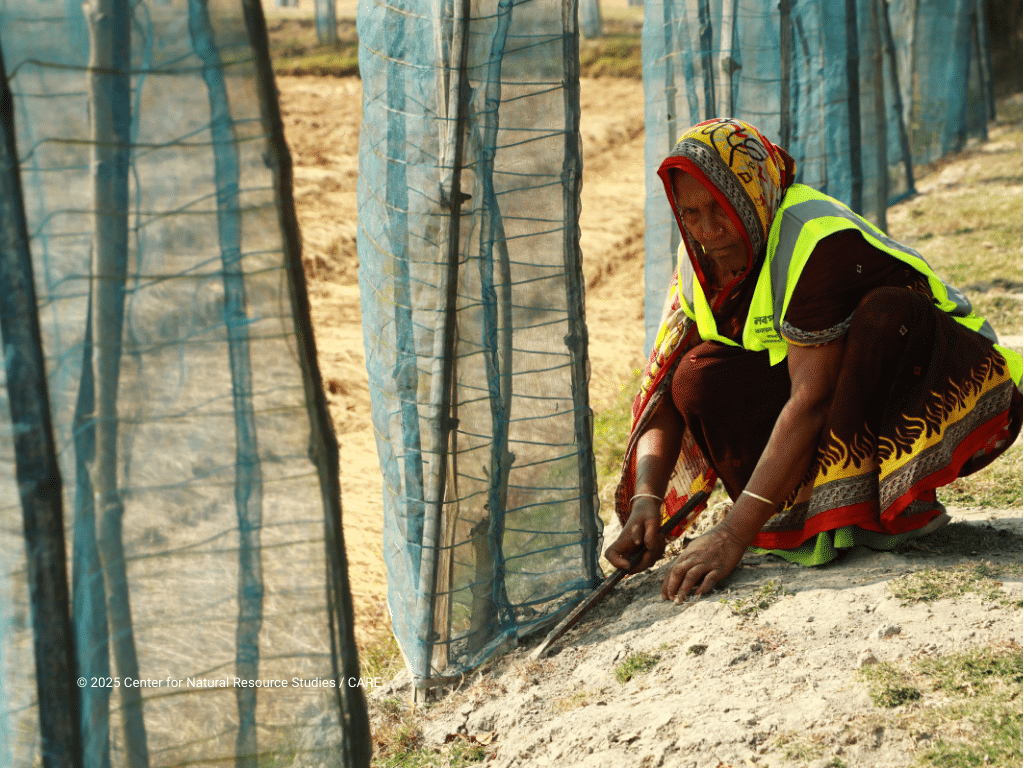
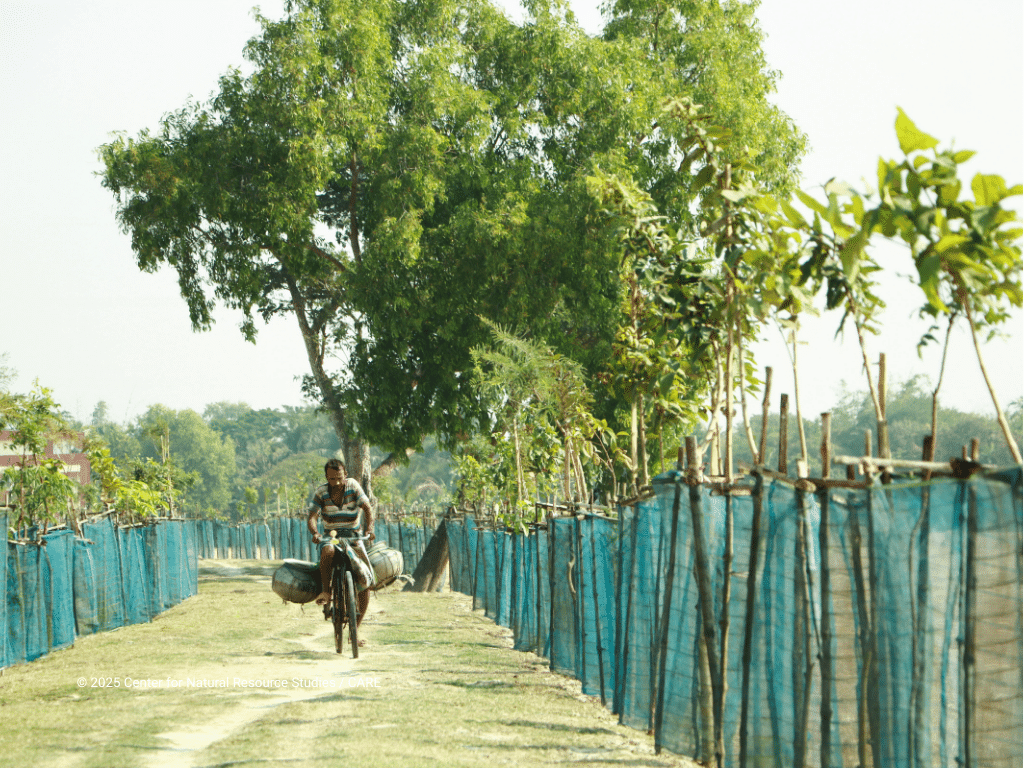
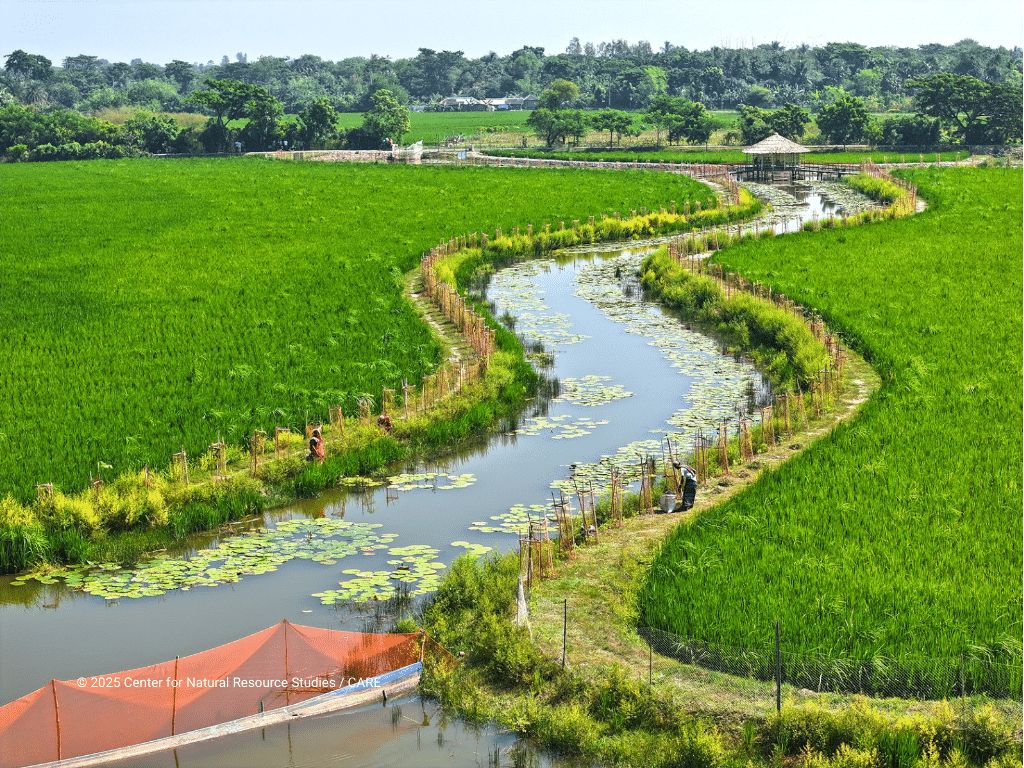
Restoring ecosystems is a central part of the approach. Mangroves are being replanted along vulnerable coastlines to reduce storm surge impacts and stabilise land. Sediment-blocked canals are being excavated to restore water flow, helping reduce flooding and improving irrigation and fisheries. Wetland conservation efforts aim to sustain the natural systems that local livelihoods depend on.
The Sundarbans and Hakaluki Haor play a critical role in Bangladesh’s ecology and economy. The mangroves protect coastal communities from cyclones, while the wetland supports a complex system of farming and fishing. Project activities include promoting sustainable farming practices, supporting alternative energy sources, and strengthening community-level resource management.
“NABAPALLAB is working on locally led solutions that allow nature to thrive while meeting the needs of nearby biodiversity-dependent communities. These efforts draw on local knowledge, resilient structures, sustainable practices, and renewable energy,
giving people alternatives to overusing natural resources. Building on this foundation, the project is now moving towards a broader system change – bringing together the whole of society to drive climate-resilient and ecologically sensitive development in these areas and beyond,” says Mrityunjoy Das, Deputy Director of Humanitarian and Resilient Futures Programs at CARE Bangladesh.
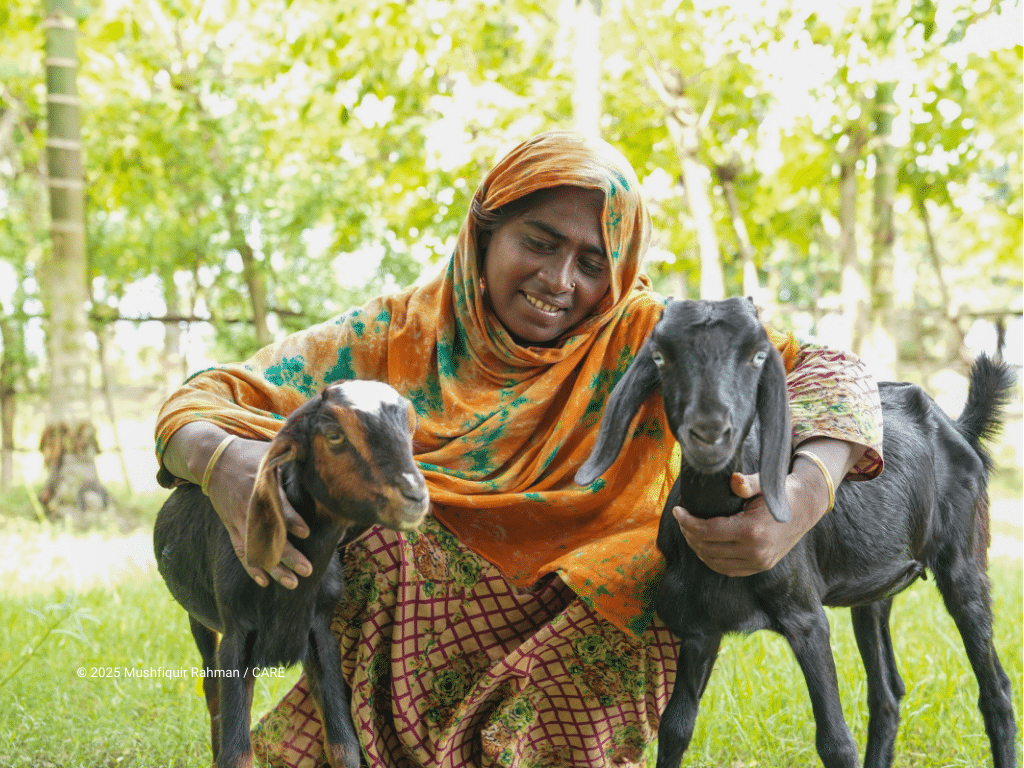
Alongside ecosystem conservation, the project supports income diversification. Farmers are adopting climate-resilient and nature-positive practices; households diversify income through poultry rearing and small enterprises; and communities gain access to renewable energy through solar and biogas systems. Climate-resilient infrastructure, from renovated cyclone shelters to raised access roads, helps ensure that when disasters strike, people can move, shelter, and recover more safely.
Water, sanitation, and health are woven into this approach. In areas where floods contaminate drinking sources and sanitation systems fail under extreme weather, NABAPALLAB supports climate-resilient water and sanitation services that protect public health while reducing long-term vulnerability. At the same time, communities receive improved climate and weather information through locally accessible communication channels, strengthening preparedness and early action.
“Before, we were terrified not just by the storm, but by the journey; the path was poor and there was nowhere to keep our animals safe,” says Fatema Begum, a farmer from Koyra, Khulna. “Today, the improved connecting road allows us to move quickly, and the shelter’s dedicated cattle area means we don’t have to leave our livelihood behind. It gives us peace of mind knowing we are all truly safe.”
What sets NABAPALLAB apart is how these interventions are designed and delivered. The project is firmly rooted in locally led adaptation and guided by nature-based solutions, with communities themselves shaping priorities and decisions. Women and young people—often among the most affected by climate shocks—are stepping into leadership roles, managing local initiatives and influencing adaptation planning. This locally led approach is not only more equitable; it is also more effective, ensuring solutions are grounded in lived experience and sustained over time.
“What we are seeing through NABAPALLAB is clear evidence that when ecosystems are restored, they enhance biodiversity and ecosystem services that help build community resilience by strengthening livelihood outcomes”, explains Mokhlesur Rahman, executive director of CARE’s consortium partner Center for Natural Resource Studies (CNRS). “These Nature-based Solutions are transforming societal vulnerability into resilience. Beyond increased yields and incomes, they are reducing women’s daily burdens, restoring biodiversity, and enabling communities to adapt to climate change with dignity and confidence. This is not short-term relief, it is a long-term investment in achieving social-ecological resilience.”
Mangrove regeneration along the Sundarbans Rivershore now shields thousands of households from tidal surges, while rehabilitated canals that have revived agriculture, fisheries, and access to freshwater.
Yet NABAPALLAB’s impact extends beyond villages and ecosystems. A dedicated Political Economy Analysis mapped power dynamics, stakeholder interests, and policy gaps around Ecologically Critical Area management. This work informed a Policy and Stakeholder Engagement Plan that is already helping connect communities with local authorities and national decision-makers, strengthening governance and aligning local action with national climate and biodiversity policies.
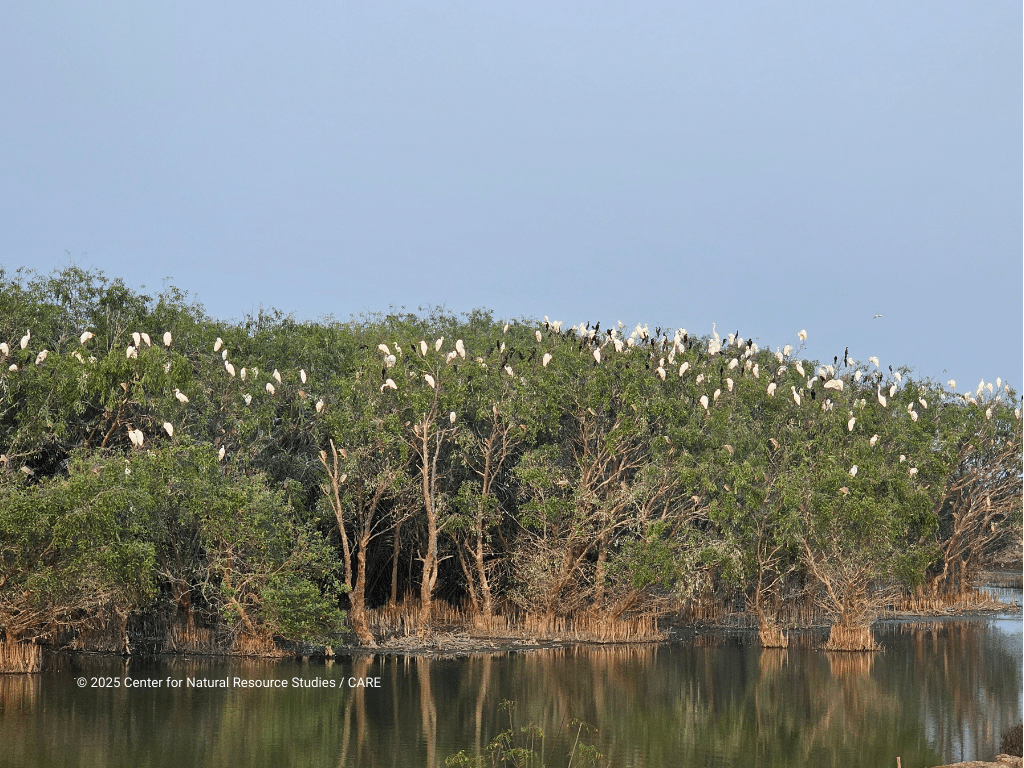
The results are multi-layered. Ecologically, restored mangroves and wetlands support biodiversity, improve water retention, and enhance carbon sequestration. Socially, diversified livelihoods, improved sanitation, and increased climate literacy are building resilience at household and community level. Institutionally, stronger local organisations and policy dialogue are laying foundations for long-term change.
“What is happening here in Bangladesh offers a blueprint for the rest of the world. By integrating nature-based solutions with locally led governance, we are creating a model of resilience that is equitable, sustainable, and scalable. This is the future of climate adaptation.” Selina Shelley Khan, Chief of Party, NABAPALLAB, CARE Bangladesh
As NABAPALLAB moves forward, CARE Bangladesh and its consortium partners aim to scale what works – strengthening community institutions, influencing policy, and sharing lessons that can inform climate action far beyond Bangladesh. In a world facing deep uncertainty and escalating climate risks, NABAPALLAB offers a hopeful counter-narrative: when nature is restored and communities lead, resilience can grow, even in the most vulnerable places.